Wire rope, as a crucial load-bearing and transmission component, is widely used in lifting machinery, elevators, bridges, mining, and marine engineering. Its performance directly impacts the safety and service life of the equipment, making it crucial to correctly select and maintain it. This article will detail the principles for wire rope selection, common types, usage precautions, and maintenance methods.
I. Wire Rope Selection Principles
The selection of wire rope requires comprehensive consideration of the operating environment, load conditions, and safety requirements. First, the wire rope diameter, strength grade, and structural type should be determined based on the actual operating conditions. For example, in lifting operations, wire ropes must withstand significant tension, so high-strength and wear-resistant products are preferred. In precision equipment like elevators, flexibility and smooth operation are more important.
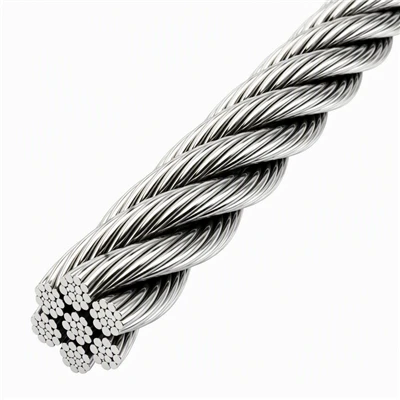
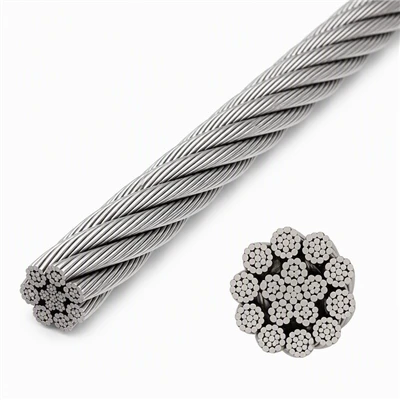
Second, the selection of wire ropes also requires consideration of their corrosion resistance. In humid, salt-spray, or chemically corrosive environments, galvanized or stainless steel wire ropes are preferred for improved durability. In addition, the lay direction (left-hand or right-hand) and number of strands (e.g., 6×19, 6×37, etc.) of the wire rope also affect its flexibility and torsional resistance, and should be matched according to the specific application scenario.
II. Common Types of Wire Rope
Wire rope can be divided into various types based on its structure. Common types include:
6×19 wire rope: Consists of 6 strands of 19 steel wires per strand. It offers high strength and wear resistance and is suitable for general lifting and traction operations.
6×37 wire rope: Also constructed of 6 strands, but with 37 steel wires per strand, it offers greater flexibility and is suitable for applications requiring frequent bending, such as the hoisting mechanism of elevators and cranes.
Galvanized wire rope: This galvanized wire rope offers strong corrosion resistance and is suitable for outdoor or humid environments.
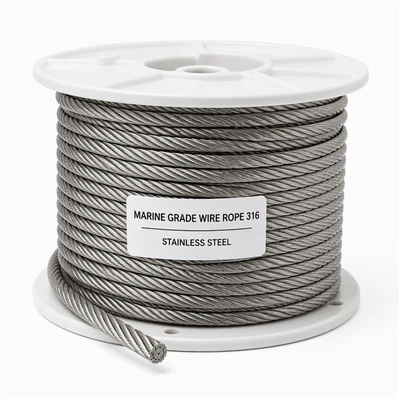
Stainless steel wire rope: Made of stainless steel, it offers excellent corrosion resistance and is commonly used in specialized applications such as the chemical, food, and marine engineering industries.
Different types of wire ropes vary in load-bearing capacity, flexibility, and service life, so the selection process should be carefully considered based on specific needs.
III. Precautions for Using Wire Ropes
When using wire ropes, strictly adhere to the following safety regulations:
Avoid Overloading: Wire ropes have limited load-bearing capacity. During use, ensure that the working load does not exceed 80% of the rated breaking force to prevent breakage due to overload.
Prevent Abrasion and Crushing: When running wire ropes on pulleys or drums, ensure that the bend radius meets the requirements to avoid wire breakage due to excessive bending or crushing.
Avoid Contact with Sharp Objects: Keep wire ropes away from sharp edges and, if necessary, install protective covers to prevent cuts and abrasion.
Avoid Kinking or Knotting: Keep wire ropes straight during use and avoid kinking or knotting, as this will seriously affect their strength and service life.
IV. Wire Rope Maintenance Methods
Scientific maintenance can significantly extend the service life of wire ropes. Key measures include:
Regular Inspection: Wire ropes should be visually inspected regularly to check for broken wires, wear, rust, or deformation. If the number of broken wires exceeds safety standards, they should be replaced promptly.
Lubrication and Maintenance: Wire ropes gradually wear due to friction during use. Regular application of special lubricating grease can reduce friction between the wires, delay wear, and prevent rust.
Cleaning and Rust Prevention: Wire ropes should be kept clean and free of oil, dirt, or corrosive substances. When used in humid environments, enhanced rust prevention measures should be taken, such as spraying rust-proof oil or using galvanized wire ropes.
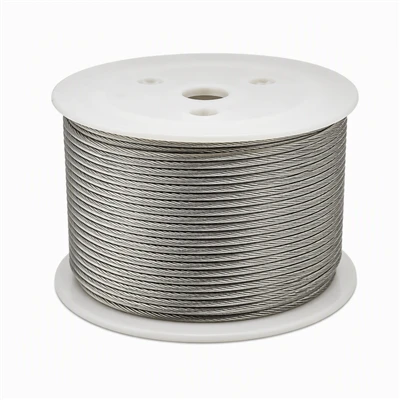
Proper Storage: When not in use, wire ropes should be stored in a dry, well-ventilated environment to avoid contact with corrosive substances. Proper winding should be used to prevent deformation caused by long-term storage.
Conclusion
Wire ropes are critical load-bearing components, and their selection and maintenance directly impact the safety of equipment and personnel. The service life and reliability of wire ropes can be effectively improved through scientific selection, standardized use, and regular maintenance. In actual applications, a reasonable wire rope management plan should be formulated based on specific working conditions to ensure safe and efficient operation throughout its life cycle.