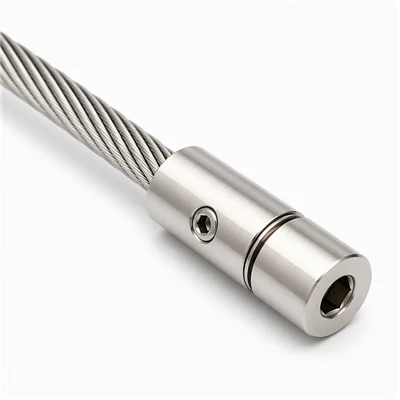
In everyday industrial applications, the two most commonly used types of wire rope are galvanized wire rope and stainless steel wire rope.
Main Types of Steel Wire Ropes
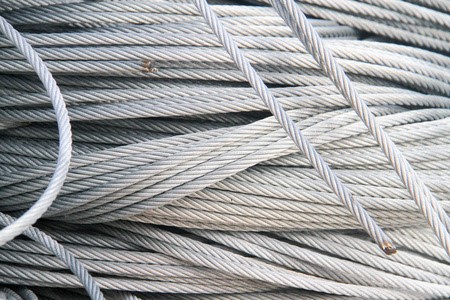
1. Galvanized Steel Wire Rope
Galvanized steel wire rope is produced by applying a zinc coating to the surface of the steel wires, enhancing its corrosion resistance and durability. Combining affordability with reliability, it is the most commonly used type of steel wire rope in construction and industrial applications.
Applications: Construction, ports and terminals, lifting equipment, warehousing and logistics, etc.
Features and Advantages:
- High corrosion resistance, suitable for outdoor or humid environments
- Low cost, high cost-effectiveness
- Long service life, simple maintenance
2. Stainless Steel Wire Rope
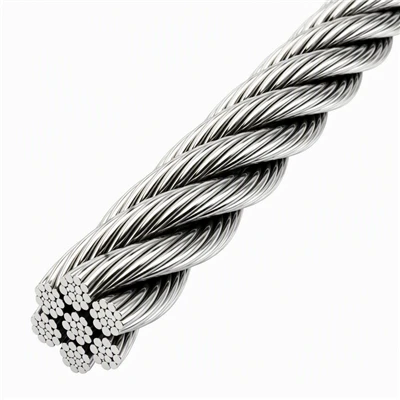
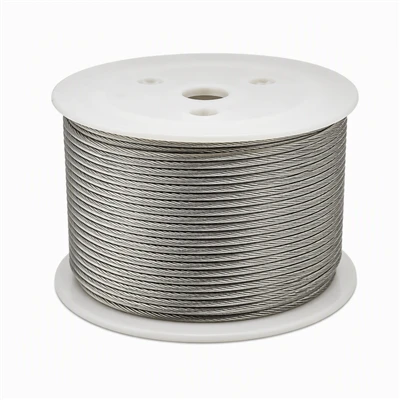
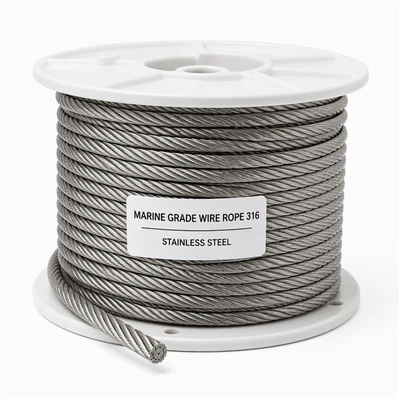
Stainless steel wire rope is widely used in specialized environments due to its exceptional corrosion resistance and long service life. It is particularly suitable for applications requiring protection against rust and chemical corrosion, or those involving prolonged exposure to humid conditions.
Applications: Marine engineering, food processing machinery, chemical processing equipment, tourist cable cars, and decorative projects.
Features and Advantages:
- Excellent corrosion resistance
- Resistant to rust and long service life
- Attractive appearance, suitable for both decorative and safety applications
Common Wire Rope Structures
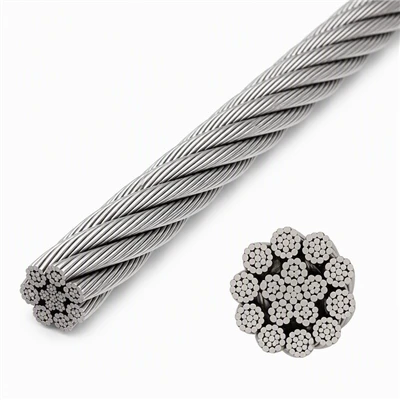
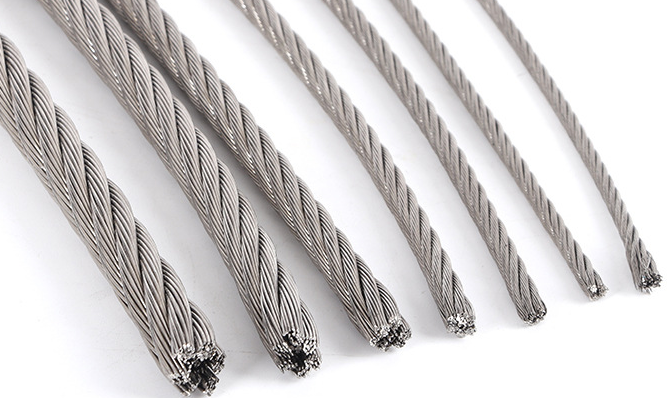
The structure of a wire rope directly affects its flexibility, strength, and durability. Common structures are as follows:
- 7×19: 7 strands, each containing 19 wires. This structure offers good flexibility and is suitable for pulley, winding, and lifting applications.
- 1×19: A single-strand structure that provides high strength but lower flexibility. It is commonly used for bridge rigging, applications requiring constant tension, and high-strength tension cables.
- 6×36: Highly wear-resistant, suitable for industrial environments with frequent friction or heavy-duty use.
Selecting the appropriate construction can effectively extend the service life of the wire rope while enhancing equipment safety.
Key Factors in Selecting Steel Wire Ropes
Operating Environment
Indoor or outdoor; humid or dry; presence of chemical corrosion.
Load Requirements
Select the appropriate diameter and number of strands based on the operational load to ensure a sufficient safety factor.
Flexibility Requirements
For winding and pulley applications, choose a wire rope with high flexibility; for static tension applications, a wire rope with high rigidity is required.
Durability
In high-frequency use or high-friction environments, selecting a wire rope with high abrasion resistance can reduce replacement costs.
For quotes on galvanized or stainless steel wire ropes, please contact the Solite professional team. We offer prompt responses, customized solutions, and global delivery services.