Wire rope is a critical component in lifting, hauling, and load-bearing operations, and its reliability directly impacts operational safety and efficiency. Through long-term practice, we have accumulated some practical experience in wire rope selection, use, and maintenance.
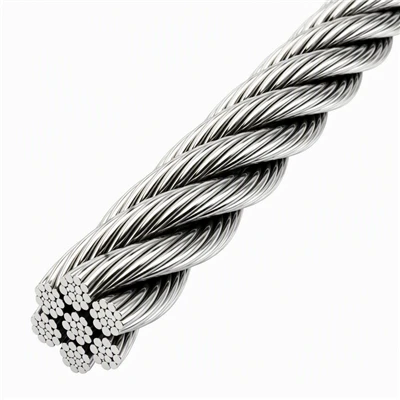
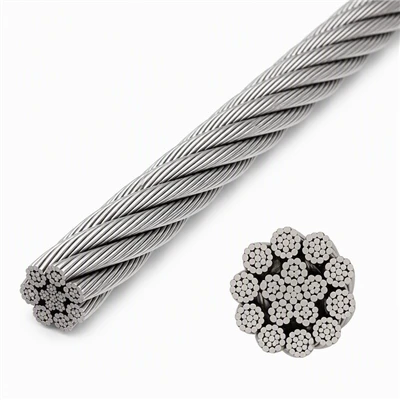
First, wire rope selection must be tailored to the operating conditions. The wire rope's diameter, strength, and structure (e.g., 6×19, 6×37, etc.) should be selected based on the load, bending frequency, and environmental conditions. For example, for applications with frequent bending, a 6×37 structure with increased flexibility is recommended, while for high-tension requirements, line-contact or surface-contact wire ropes are preferred.
Second, proper installation and operation are crucial. Avoid twisting or kinking during threading and winding. Before lifting, check that the rope ends are securely fixed (e.g., by pressing sleeves or casting). Overloading or diagonal pulling are strictly prohibited during operation. Sudden acceleration and deceleration will increase internal wear of the wire rope. Furthermore, the pulley and drum diameters should meet minimum matching requirements (typically 20-30 times the wire rope diameter) to reduce bending fatigue.
Daily maintenance and inspection are key to extending the lifespan of a wire rope. Regularly clean the surface of the wire rope to remove oil and apply special grease to prevent rust, but be careful not to allow the grease to penetrate the rope core and damage the fiber structure. Focus on inspecting broken wires, wear, and corrosion. If a single strand contains more than 5% broken wires or if local wear reaches 40% of the original diameter, the rope should be scrapped immediately. Also, observe whether the rope diameter is uniformly tapering, which is often a precursor to internal wire breakage.
Finally, the scrapping standards must be uncompromising. Even if there is no obvious external damage, if a wire rope exhibits cage-like deformation, core extrusion, or a significant decrease in elasticity, it must be removed from service. Safety is paramount, and experience shows that most accidents stem from neglecting hidden dangers.
Mastering these practices, combined with standardized operation and regular inspections, can maximize the performance of wire ropes while strengthening safety.