Wire ropes, as crucial load-bearing and transmission components, are widely used in lifting machinery, elevators, bridges, and mining equipment. Their performance and service life are directly dependent on proper use and maintenance techniques. This article discusses key wire rope methods from four aspects: selection, installation, use, and maintenance.
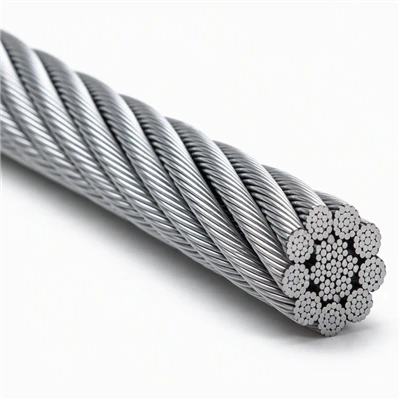
Wire rope selection is the primary step in ensuring the suitability of a wire rope. The wire rope's structure (e.g., 6×19, 6×37), diameter, strength grade, and corrosion resistance must be determined based on the specific operating conditions. For example, lifting operations prioritize breaking strength and abrasion resistance, while marine environments require galvanized or stainless steel for enhanced corrosion resistance.
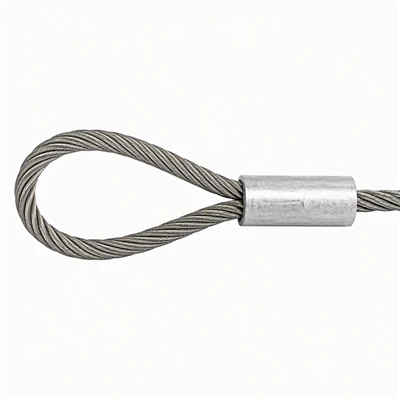
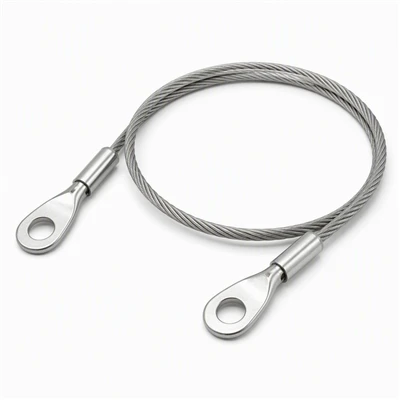
The installation method directly impacts the initial condition of the wire rope. During installation, avoid twisting or kinking. Use specialized tools (e.g., rope clamps and wedge joints) to secure the rope, and ensure both ends are securely connected. For multi-layer reels, arrange the layers in order to prevent interlayer compression and localized damage.
Usage instructions must strictly follow operating specifications. Overloading is prohibited. Regularly inspect the wire rope for wear, broken wires, and deformation. If any abnormal vibration or noise is detected during operation, the machine should be stopped immediately for investigation. Additionally, the wire rope should be protected from contact with sharp edges and, if necessary, a protective cover or guide device should be installed.
Maintenance methods are key to extending the life of wire ropes. Routine maintenance includes cleaning the surface of oil stains, applying special grease to reduce friction, and performing regular non-destructive testing (such as magnetic particle inspection). Wire ropes that reach scrap standards (e.g., the number of broken wires exceeds the specified value) must be promptly replaced. Operation with defects is strictly prohibited.
In summary, a scientific approach to wire rope management encompasses the entire lifecycle. Through standardized selection, installation, operation, and maintenance, safety and economic benefits can be significantly improved.