Statistical Risk Modeling: The Engineering Logic Behind 3:1 to 10:1 Safety Coefficients
SOLITE TECHNICAL ENCYCLOPEDIA | SERIES 05
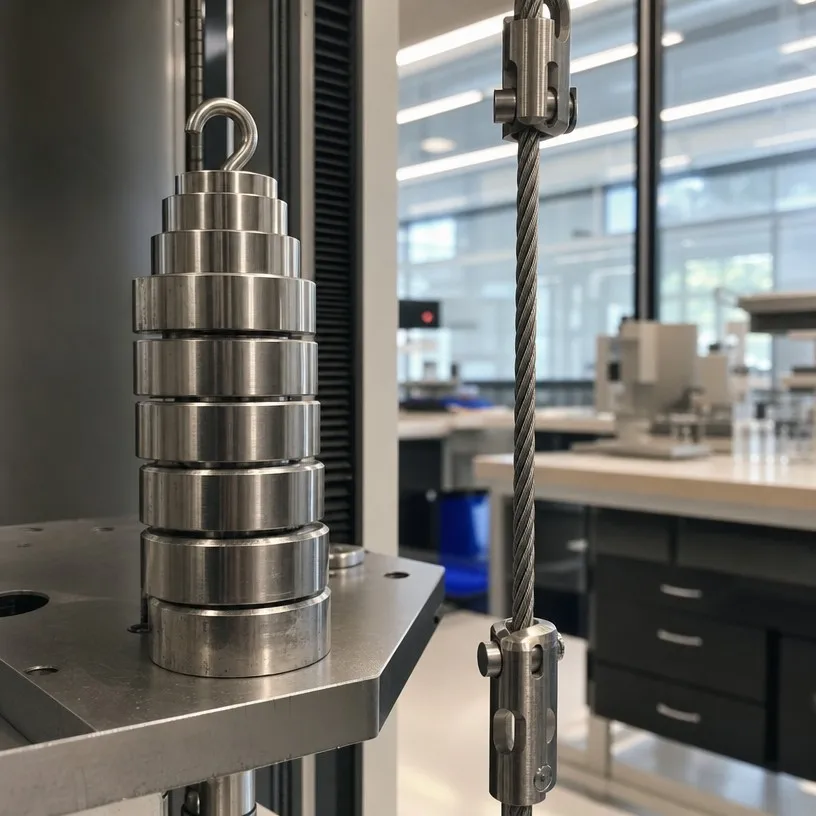
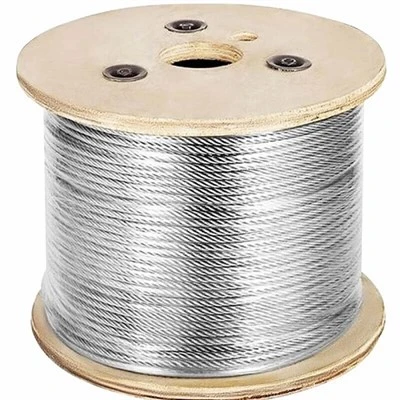
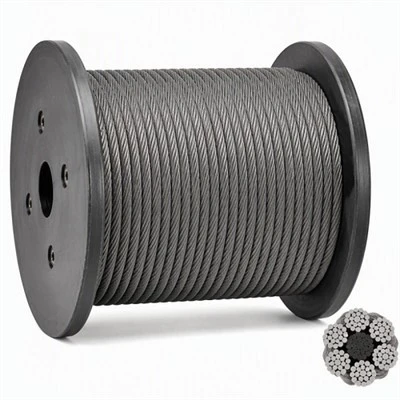
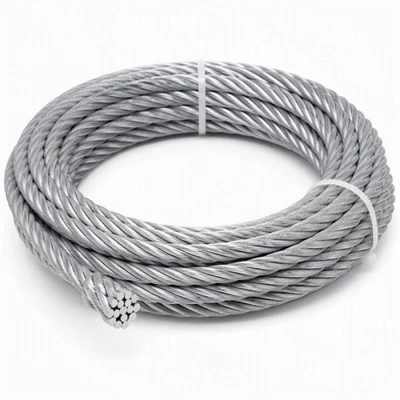
Forensic Engineering Visual: Analysis of the specific topic matter.
The "Safety Factor" is perhaps the most misunderstood number in industrial tension. It is not a "guess" at strength, but a calculated probability of survival based on dynamic risk modeling. In the wire rope industry, we utilize a spectrum of ratios-from 3:1 for static stays to 10:1 for passenger elevators-each reflecting a different level of operational uncertainty.
The Baseline of Uncertainty:
A safety factor of 5:1 for general lifting assumes that a rope might encounter unexpected factors: microscopic sheave misalignment, variable acceleration curves, and the inevitable ingress of corrosive pollutants. The 5:1 ratio ensures that even if the rope loses 20% of its cross-sectional area through wear, it remains significantly within the zone of structural safety.
Modeling the Human Risk:
For passenger transport, the factor doubles to 10:1. This reflects the "Zero-Tolerance" environment of urban skyscrapers. The increased factor is not because the rope is "weaker," but because the consequence of failure is absolute. At SOLITE, we assist our clients in performing "Dynamic Safety Audits," where we calculate the specific impact factors of their machinery to ensure the chosen safety ratio is grounded in actual physics, not just industry tradition. Safety is the science of the improbable.
Engineering White Paper Request
For large-scale infrastructure projects requiring bespoke material science or FEA stress-modeling, please contact our specialized technical desk. Full technical dossiers are available upon request.