Steel Wire Rope Industry Knowledge: Construction, Selection, and Safety
Steel wire rope is a sophisticated load-bearing machine element. For Cranes, Port Equipment, and Mining Machinery, selecting the correct rope is an engineering decision based on load spectrum, reeving arrangement, and environmental conditions.
1. How Steel Wire Rope is Constructed
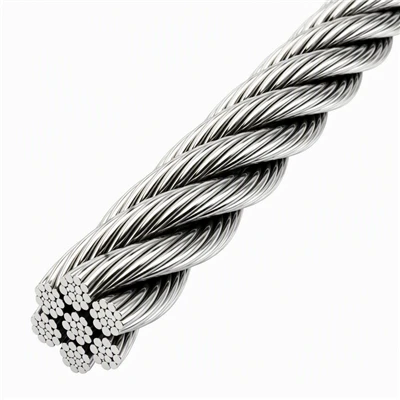
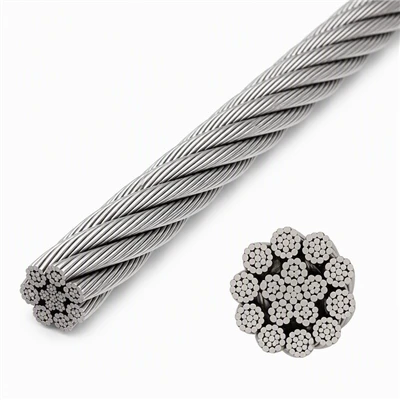
A conventional rope consists of Wires, Strands, and a Core. The number of wires per strand determines the balance between flexibility and abrasion resistance.
| Class | Flexibility | Abrasion Resistance | Primary Application |
|---|---|---|---|
| 6x19 Class | Moderate | High | Rigging, winches, general purpose |
| 6x36 Class | High | Moderate | Cranes, hoists, repeated bending |
| 35Wx7 Compacted | Excellent | Excellent | Tower cranes, port STS cranes |
2. Core Comparison: FC vs IWRC vs WSC
Fiber Core (FC)
Ideal for general flexibility and shock absorption. However, it is sensitive to heat and high drum pressure.
Independent Wire Rope Core (IWRC)
Provides superior radial support and resistance to crushing. Mandatory for multi-layer spooling and high-temperature environments.
3. Breaking Force vs Working Load Limit
One of the most common errors in procurement is confusing Minimum Breaking Force (MBF) with Working Load Limit (WLL). The WLL is calculated by applying a Design Factor (Safety Factor) to the rated strength.
- MBF: The force at which a rope is expected to break in a test.
- WLL: The maximum mass or force the rope is authorized to support in service.
4. Industrial Application Selection Logic
For Port Cranes (STS/RTG) and Mining Hoists, compacted strand ropes like 35Wx7 or 6x36 WS are often preferred due to their higher fill factor and reduced internal wear.
5. Inspection and Discard Criteria
Regular inspection must follow ISO 4309 standards. Key indicators for replacement include:
- Broken wires (clusters or localized)
- Diameter reduction beyond allowable limits
- Severe corrosion or pitting
- Kinks, birdcaging, or core protrusion
Match the Right Rope to Your Equipment
Need a technical review or a factory-direct quote? Our engineering team is ready to help.
Send Your Rope Specification