6x19 vs 6x36 Wire Rope: What Is the Difference?
6x19 and 6x36 are two common steel wire rope constructions used in lifting equipment, cranes, winches, hoists, construction machinery, and general industrial applications.
Although both constructions contain six strands, their wire arrangements are different. This affects flexibility, abrasion resistance, bending performance, and application suitability.
What Is 6x19 Wire Rope?
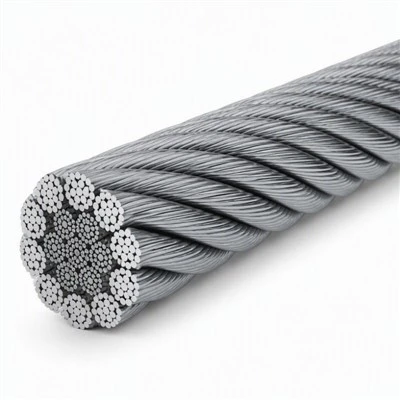
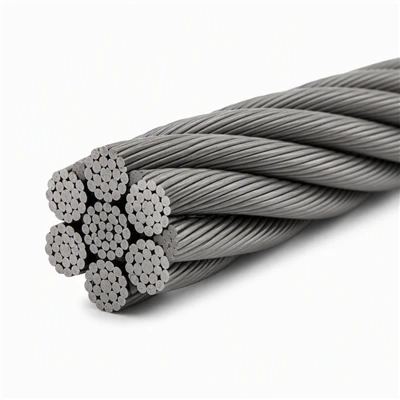
6x19 wire rope consists of six outer strands, with each strand containing approximately 19 wires. It is a widely used construction for applications where abrasion resistance and general durability are important.
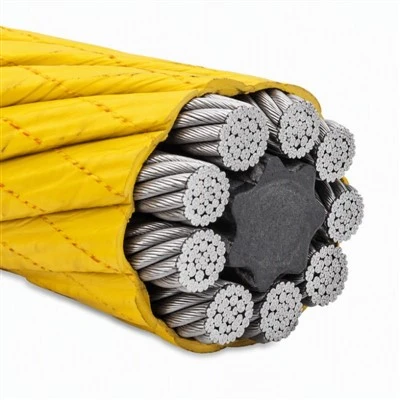
6x19 wire rope can be manufactured with different core configurations, including Fiber Core (FC) and Independent Wire Rope Core (IWRC), depending on the required working conditions.
Typical Applications of 6x19 Wire Rope
- Cranes and lifting equipment
- Winches and hoists
- Construction machinery
- Material handling equipment
- General industrial applications
What Is 6x36 Wire Rope?
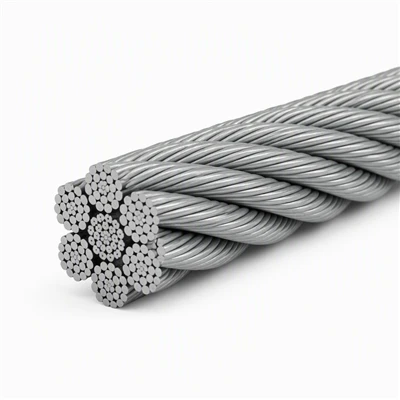
6x36 wire rope consists of six strands with approximately 36 wires per strand. Compared with 6x19 construction, the larger number of smaller wires generally provides greater flexibility and better resistance to repeated bending.
6x36 wire rope is commonly selected for applications involving frequent bending around sheaves, drums, and pulleys.
Typical Applications of 6x36 Wire Rope
- Overhead cranes
- Gantry cranes
- Hoisting machinery
- Winches
- Construction equipment
- Industrial lifting systems
6x19 vs 6x36 Wire Rope
| Feature | 6x19 Wire Rope | 6x36 Wire Rope |
|---|---|---|
| Number of strands | 6 | 6 |
| Wires per strand | Approximately 19 | Approximately 36 |
| Flexibility | Good | Higher |
| Abrasion resistance | Generally higher | Generally lower |
| Bending performance | Good | Very good |
| Typical use | General lifting and industrial applications | Frequent bending and lifting applications |
Which Is More Flexible: 6x19 or 6x36?
In general, 6x36 wire rope is more flexible than 6x19 wire rope. Its strands contain more individual wires with smaller diameters, allowing the rope to bend more easily around sheaves and drums.
This makes 6x36 a common choice for equipment where the rope experiences frequent bending cycles.
Which Has Better Abrasion Resistance?
6x19 wire rope generally provides better abrasion resistance because its construction uses relatively larger outer wires. This can make it suitable for applications where the rope is exposed to surface wear or abrasive working conditions.
Which Wire Rope Should You Choose?
The correct choice depends on the operating conditions rather than simply selecting the rope with the higher number of wires.
- Choose 6x19 when abrasion resistance and general durability are important.
- Choose 6x36 when flexibility and repeated bending are more important.
- Consider IWRC when higher crushing resistance and greater structural stability are required.
- Consider FC when flexibility and lower rope stiffness are priorities.
6x19 and 6x36 Wire Rope Core Options
The core is another important factor when selecting steel wire rope. Common options include Fiber Core (FC), Independent Wire Rope Core (IWRC), and other specialized core constructions.
The appropriate core depends on the working load, drum and sheave configuration, crushing conditions, bending frequency, and equipment design.
Galvanized vs Bright 6x19 and 6x36 Wire Rope
Both 6x19 and 6x36 constructions can be supplied with different surface treatments. Galvanized wire rope provides improved corrosion resistance and is commonly used in outdoor, construction, marine, and industrial environments.
Bright steel wire rope can be suitable for indoor applications or environments where additional corrosion protection is not the primary requirement.
How to Select the Right Wire Rope
Before purchasing steel wire rope, buyers should confirm the rope construction, diameter, core type, tensile strength, lay direction, surface treatment, rope length, breaking force, working load, and operating environment.
The rope should always be selected according to the equipment manufacturer's requirements and applicable safety standards.
Frequently Asked Questions
What is the difference between 6x19 and 6x36 wire rope?
The main difference is the number and arrangement of wires in each strand. 6x19 generally provides better abrasion resistance, while 6x36 generally provides greater flexibility and bending performance.
Is 6x36 wire rope more flexible than 6x19?
Yes. 6x36 wire rope is generally more flexible because each strand contains more smaller wires.
Which is better for cranes, 6x19 or 6x36?
Both can be used for cranes. 6x36 is often preferred where frequent bending is involved, while 6x19 may be preferred where abrasion resistance is more important. The final selection should follow the crane manufacturer's specifications.
Is 6x36 wire rope suitable for lifting?
Yes. 6x36 wire rope is widely used for lifting, hoisting, cranes, winches, and industrial machinery when the construction and specification are suitable for the application.
What does IWRC mean in wire rope?
IWRC stands for Independent Wire Rope Core. It provides a steel core that can improve rope strength, stability, and resistance to crushing compared with some fiber-core constructions.
Should I choose galvanized or bright wire rope?
Galvanized wire rope is generally preferred for outdoor or corrosive environments because the zinc coating provides additional corrosion protection. Bright wire rope may be suitable for controlled indoor environments.
Conclusion
6x19 and 6x36 wire ropes are both versatile steel wire rope constructions, but they are optimized for different working characteristics. 6x19 is commonly selected for abrasion resistance and general industrial use, while 6x36 provides greater flexibility for applications involving repeated bending.
Selecting the correct construction, core, diameter, surface treatment, and tensile strength is essential for safe and reliable operation.