Rigging and lifting equipment are critical tools in industrial production, construction, and logistics. Their reliability directly impacts operational safety and efficiency. However, many companies neglect routine maintenance or operate improperly, leading to premature wear and breakage of rigging equipment, and even accidents. Scientific maintenance not only extends the lifespan of the equipment but also effectively reduces the risk of failure. This article systematically explains the key maintenance points for rigging and lifting equipment, including cleaning and maintenance, regular inspections, storage management, and operating procedures.


I. Daily Cleaning and Basic Maintenance
Cleaning rigging and lifting equipment is the first step in maintenance. After operation, remove impurities such as oil, dust, and chemical residue from the equipment surface, especially areas prone to fouling such as wire ropes, hooks, and pulleys. Use a soft cloth or specialized cleaning agent to wipe, avoiding scratches on the metal surface. Equipment exposed to humidity for extended periods, such as port crane rigging, requires special attention to rust prevention: apply anti-rust grease after cleaning and ensure dry and ventilated conditions. In addition, check the threads of connectors (such as shackles and turnbuckles) for looseness. Tighten them with a wrench if necessary to prevent them from falling out due to vibration.
II. Regular Inspection and Inspection of Key Components
1. Wire Rope and Sling
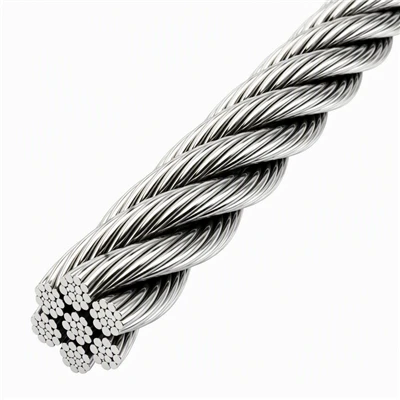
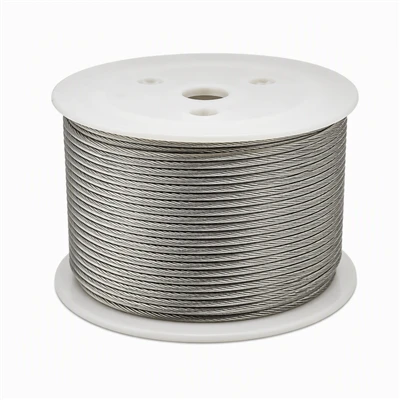
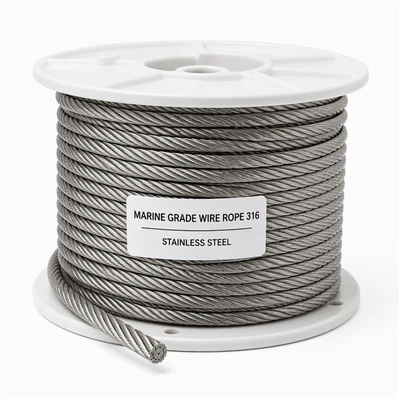
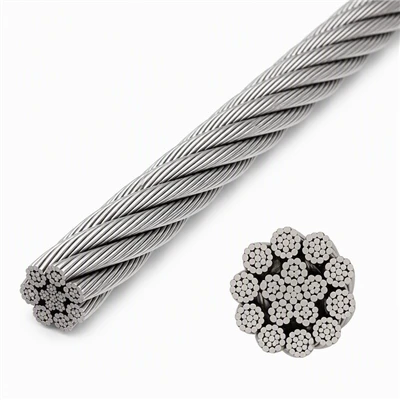
Wire ropes are the core load-bearing components of lifting equipment. Their surfaces must be inspected weekly for broken wires, wear, corrosion, or deformation. If a single strand has more than 5% broken wires or its diameter has worn by more than 10% of its original size, it should be replaced immediately. Slings should be inspected for cracked seams and exposed load-bearing cores to prevent breakage due to overloading or friction damage.
2. Hooks and Pulleys
The hook body, hook collar, and safety clip are key inspection areas. If the hook mouth is deformed, cracked, or worn by more than 10% (calculated based on the critical section), the hook must be removed from service. Pulley bearings should be lubricated regularly and checked for free rotation. If the groove wear exceeds 20% of the wall thickness, it should be replaced to prevent the wire rope from jumping or unevenly loading.
3. Connectors and Safety Devices
The pins of connectors such as shackles and eyebolts should be free of bends or excessive wear, and cotter pins should be fully inserted and tightened. Safety devices such as limiters and brakes should be tested monthly for operational effectiveness to ensure they can promptly shut off power in the event of overload or abnormal conditions.
III. Storage Management and Environmental Control
When not in use, rigging and lifting equipment should be stored in a dry, cool, and designated area, away from direct sunlight and corrosive substances. It is recommended that wire ropes be coiled or hung flat to prevent twisting and deformation. Lifting straps should be neatly folded and away from sharp edges. Before long-term storage, apply anti-corrosion grease and cover with a dust cover. Frequently used equipment should also be provided with simple protective measures between uses, such as covering with a tarpaulin.
IV. Operating Procedures and Personnel Training
Improper operation is a major cause of rigging damage. Before lifting, ensure that the load does not exceed the equipment's rated load. Avoid diagonal pulling, dragging, or sudden braking. Operators should receive professional training and be familiar with equipment performance and maintenance procedures. For example:
• Maintain a constant speed during lifting to avoid shock loads;
• Regularly lubricate moving parts (such as pulley bearings and wire rope grease points);
• Immediately shut down and inspect any abnormal noise, vibration, or loose components.
Conclusion
Maintaining rigging and lifting equipment is a systematic process that requires a combination of daily maintenance, regular inspections, and standardized operation. By strictly implementing these measures, companies can not only improve equipment reliability but also ensure personnel safety and production continuity. Remember: the cost of preventive maintenance is far less than the cost of accidents. Scientific management of rigging life is a core component of industrial safety.