Rigging and lifting are critical processes in industrial production, construction, and logistics. Their safety and reliability are directly linked to the safety of workers and property, as well as project efficiency. To ensure the compliance of rigging and lifting operations, strict implementation standards have been established globally, covering the entire process from design, manufacturing, inspection, and use.
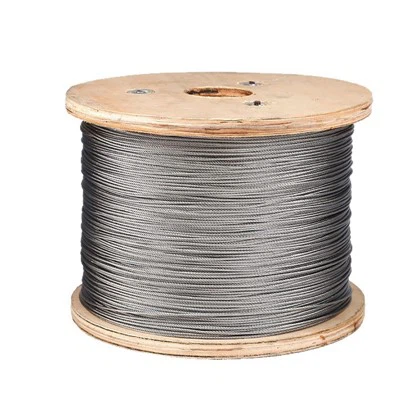
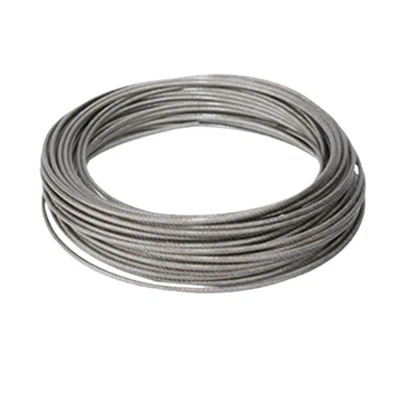
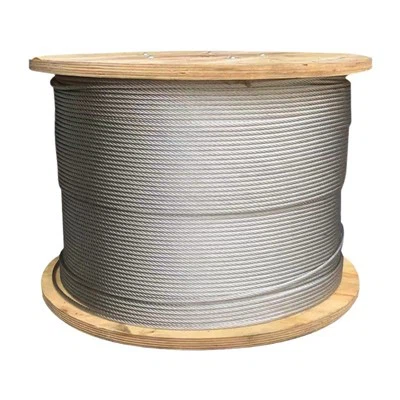
Internationally, rigging and lifting implementation standards primarily reference relevant specifications from the International Organization for Standardization (ISO), the American Society for Testing and Materials (ASTM), and the European Committee for Standardization (EN). For example, ISO 4309 specifies guidelines for the selection, maintenance, and disposal of wire ropes, while EN 13157 provides detailed technical specifications for the design and testing of lifting tackle. These standards define the mechanical properties, load limits, and environmental compatibility of rigging materials, ensuring stable performance even under extreme operating conditions.

my country's current rigging and lifting standards are primarily based on the GB/T series, such as GB/T 20118-2017 "Steel Wire Rope for General Purpose" and GB/T 10051.1-2010 "Lifting Hooks." These standards, tailored to domestic operating conditions, set specific requirements for rigging strength, toughness, and corrosion resistance. Furthermore, industry standards such as JB/T (for the machinery industry) and JT/T (for the transportation industry) further refine application specifications for specific scenarios.
The core of these standards is strict adherence to rated load limits, regular nondestructive testing and maintenance, and certified operators. Companies are required to establish a full rigging lifecycle management system, ensuring compliance with standards from procurement and acceptance to disposal. In the future, with the advancement of materials science and intelligent monitoring technology, rigging and lifting standards will place greater emphasis on digital traceability and dynamic risk assessment to further enhance operational safety and economic efficiency.