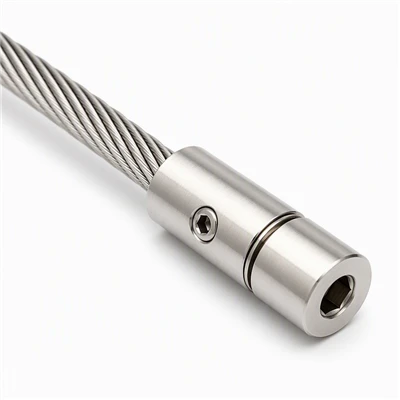
In modern industry and engineering construction, rigging and lifting are core components of material handling and equipment installation. Their safety and reliability directly depend on the rational selection of materials. Rigging materials must not only meet static load-bearing requirements but also withstand multiple challenges, including dynamic loads, environmental corrosion, and long-term fatigue. Therefore, an in-depth study of the selection criteria and technical logic for rigging and lifting materials is crucial to ensuring operational safety and improving economic efficiency.
I. Core Performance Requirements for Rigging Materials
The selection of rigging and lifting materials requires a comprehensive consideration of multiple performance indicators. Strength is paramount, encompassing both tensile strength and yield strength, which directly impact the rigging's ultimate load-bearing capacity. For example, wire rope rigging is typically made of high-quality carbon steel or alloy steel, with tensile strengths ranging from 1770 MPa to 2160 MPa, meeting the demands of heavy lifting. Toughness is also crucial, especially under impact loads, requiring the material to exhibit good ductility to avoid brittle fracture. Furthermore, wear resistance determines the durability of rigging under repeated friction, while corrosion resistance directly impacts its service life in humid, salt spray, or chemical environments.
II. Technical Characteristics and Application Scenarios of Mainstream Rigging Materials
1. Metal Materials: A Balance between Tradition and Innovation
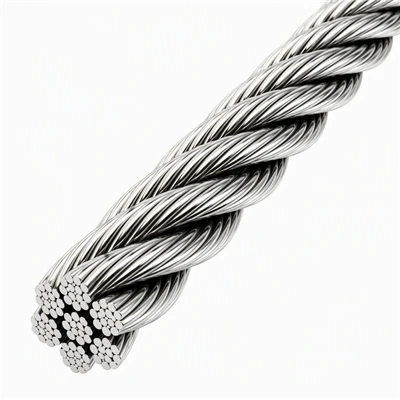
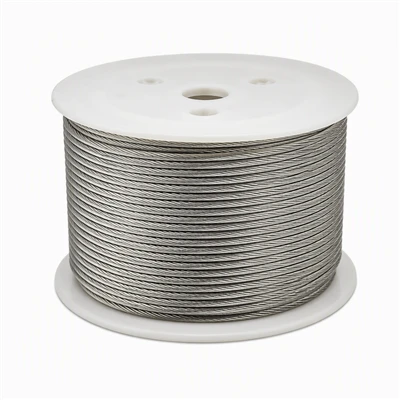
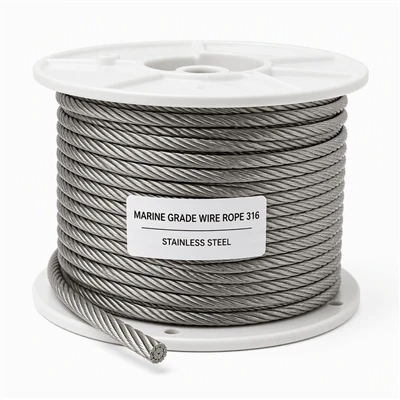
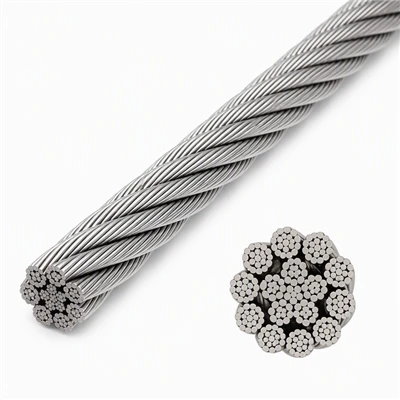
Metal materials are the core choice in the rigging industry, with steel wire rope dominating due to its high strength, flexibility, and proven manufacturing process. Galvanized steel wire rope, significantly enhanced by surface treatment for corrosion resistance, is suitable for use in marine engineering and high-humidity environments. Stainless steel wire rope (such as the 304/316 series) is widely used in the chemical and food processing industries due to its excellent acid and alkali resistance.
Metal connecting components such as forged hooks and shackles are often made of alloy structural steel (such as 40Cr and 35CrMo). Heat-treated strengthening provides both high strength and fatigue resistance. In recent years, nickel-based alloys (such as Inconel) have gained increasing adoption in high-end applications such as aerospace due to their stability in extreme temperatures and corrosive environments.
2. Synthetic Fibers: Lightweight and Environmentally Friendly Trends
With technological advancements, synthetic fiber rigging materials such as polyester (PET), polypropylene (PP), and ultra-high molecular weight polyethylene (UHMWPE) have become an important complement to metal rigging due to their lightweight, corrosion-resistant, and low creep properties. For example, UHMWPE fibers (such as Dyneema®) can be over 15 times stronger than steel wire and weigh only one-eighth as much, making them particularly advantageous in precision operations such as wind turbine blade installation. However, their high-temperature resistance (typically below 100°C) and UV sensitivity limit their application, requiring improvement through coating technology.
III. Decision Factors in Material Selection
1. Matching Load Conditions with Operating Conditions
Rigging materials must be strictly matched to the load types encountered in the actual operating conditions. For example, dynamic loads (such as vibration or impact during lifting) require high fatigue strength, and pre-tensioned steel wire rope or composite materials are preferred. Static loads, on the other hand, can prioritize cost-effective materials, such as ordinary galvanized steel wire rope.
2. Environmental Adaptability
Corrosive environments (such as coastal areas or chemical plants) prioritize stainless steel or coated protective materials. High-temperature conditions (such as those in the metallurgical industry) require heat-resistant steel (such as Cr-Mo alloys) or ceramic fiber composite rigging.
3. Economics and Lifecycle Cost
Although high-performance materials (such as nickel-based alloys or UHMWPE) have higher initial costs, their long lifespan and low maintenance requirements can significantly reduce overall lifecycle costs. For example, stainless steel rigging requires far less replacement frequency in corrosive environments than ordinary carbon steel products.
IV. Future Development Directions
With breakthroughs in materials science, rigging materials are evolving towards high-performance composites and intelligent technology. For example, carbon fiber reinforced polymer (CFRP) rigging combines ultra-high strength with lightweight properties, making it suitable for spacecraft hoisting. Smart rigging embedded with sensors can monitor stress and wear in real time, further enhancing safety.
The selection of rigging material for lifting equipment is a systematic decision involving mechanics, materials science, and engineering practice. Practitioners need to comprehensively consider performance indicators, working conditions, and economic efficiency, and achieve the optimal balance between safety and efficiency through scientific selection. In the future, with the iteration of new material technologies, rigging materials will further promote the advancement of lifting operations to higher standards.