Lifting operations are essential in modern industry and construction. Rigging, as a key load-bearing component in the lifting process, has a direct impact on operational efficiency, safety, and cost control. With increasing project complexity, traditional rigging applications are no longer able to meet the demands of high precision, high loads, and diverse scenarios. Therefore, developing scientific and systematic rigging and lifting solutions has become a key issue for companies to optimize production processes and mitigate risks.
I. The Core Technology of Rigging and Lifting: From Basics to Innovation
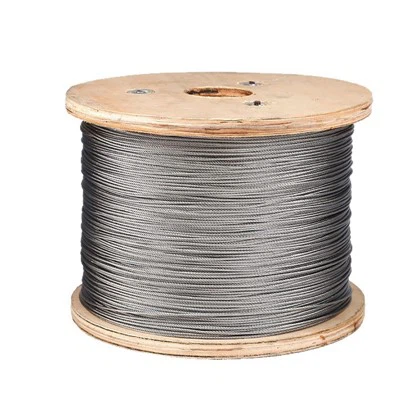
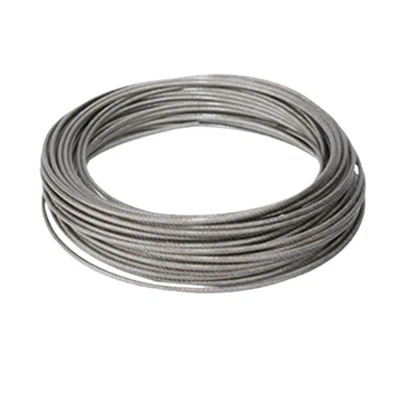
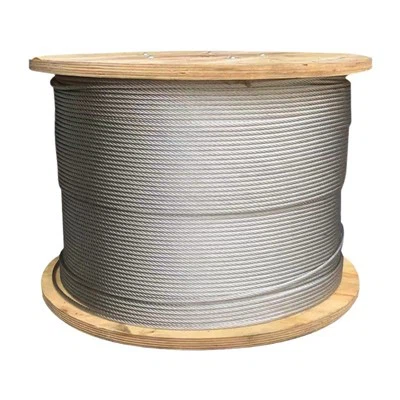
The foundation of rigging and lifting solutions lies in the precise matching of rigging type, load characteristics, and operating environment. Common rigging types include wire rope, lifting belts, chains, and specialized lifting tools (such as electromagnetic chucks and clamps), each with unique mechanical properties and application scenarios. For example, wire rope is suitable for high-intensity, high-abrasion environments, but requires regular inspection for wire breakage and corrosion. Lifting belts are known for their flexibility and resistance to damage to the load surface, making them suitable for handling precision equipment. Chain rigging is heat-resistant and impact-resistant, making it commonly used in metallurgy and heavy machinery.
Technological innovation is key to improving solution effectiveness. In recent years, intelligent sensing technology has been gradually incorporated into rigging design. By integrating load sensors and wireless transmission modules, it monitors the rigging's stress state, wear, and temperature changes in real time, feeding this data back to the central control system, helping operators proactively identify potential risks. Furthermore, the development of modular rigging components (such as quick-detachable connecting rings and adaptively adjustable sling lengths) has further shortened job preparation time and increased on-site flexibility.
II. Customized Solution Design: Adapting to Diverse Scenario Needs
Lifting requirements vary significantly across industries, and universal rigging configurations often fail to balance efficiency and safety. Therefore, specialized rigging and lifting solutions require customized design based on specific scenarios.
1. Construction Machinery Lifting: For the installation and disassembly of large equipment such as tower cranes and excavators, the tensile strength and dynamic load capacity of the rigging are key considerations. Solutions typically include high-strength alloy chains with anti-rotation hooks, and finite element analysis (FEA) is used to simulate stress distribution during lifting to ensure the rigging maintains structural stability under impact loads.
2. Precision Instrument Handling: Semiconductor equipment, medical imaging equipment, and other equipment are extremely sensitive to vibration and surface contact. Flat woven lifting belts or vacuum-assisted lifting devices, combined with a slow, steady-lift crane, are required to prevent damage from vibration or localized pressure.
3. High-Altitude/Confined Space Operations: In scenarios like bridge maintenance and wind turbine blade installation, rigging must combine lightweight design with rapid positioning capabilities. For example, lightweight slings made of carbon fiber composite materials reduce operator burden, while rigging systems with guide pulleys enable precise control of load movement.
III. Full Lifecycle Management: Ensuring Long-Term Reliability
Rigging and lifting solutions focus not only on the safety of individual operations but also on extending rigging life and reducing overall costs through full lifecycle management.
• Inspection and Maintenance: Establish a regular inspection system, focusing on rigging wear (e.g., reduced wire rope diameter, cuts on lifting straps), deformation (e.g., chain pitch elongation), and corrosion. Determine scrap thresholds based on international standards (e.g., ISO 4309 and ASME B30.9).
• Training and Operating Standards: Operator professionalism directly impacts rigging efficiency. Solutions should include customized training courses covering rigging selection principles, proper lashing techniques (e.g., avoiding skewing and knotting), and crane operation techniques.
• Digital Traceability: Record rigging production information, inspection history, and usage records through QR codes or RFID tags, enabling full process traceability and facilitating compliance management and accountability.
IV. Future Trends: Parallel Development of Intelligence and Greenness
With the advancement of Industry 4.0, rigging and lifting solutions are moving towards intelligence and greenness. On the one hand, AI algorithms can predict the remaining life of rigging based on historical operational data and automatically recommend maintenance plans. On the other hand, the use of environmentally friendly materials (such as recycled steel wire and bio-based lifting belts) reduces resource consumption and aligns with sustainable development goals.
In short, an efficient rigging and lifting solution must integrate technology selection, scenario adaptation, full-lifecycle management, and forward-looking innovation to ultimately achieve the optimal balance of safety, efficiency, and cost. For businesses, selecting a professional and reliable rigging service provider and continuously optimizing the solution will be a key step in enhancing core competitiveness.