Proper use and safe management of rigging are crucial in lifting and hoisting operations. Whether on construction sites, at ports, or in industrial manufacturing, the reliability of rigging directly impacts operational efficiency and personnel safety. This article will focus on key considerations during rigging and lifting operations to help foreign trade practitioners and businesses improve operational standards.
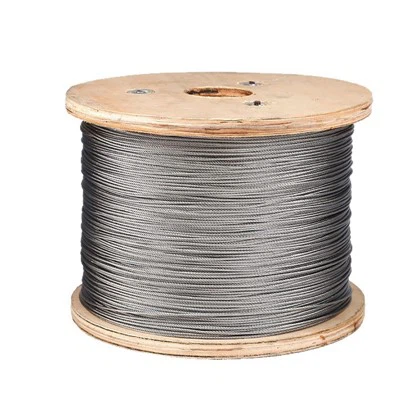
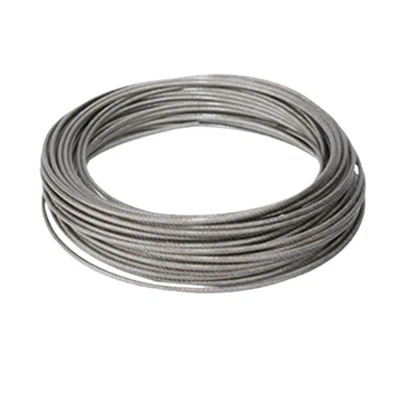
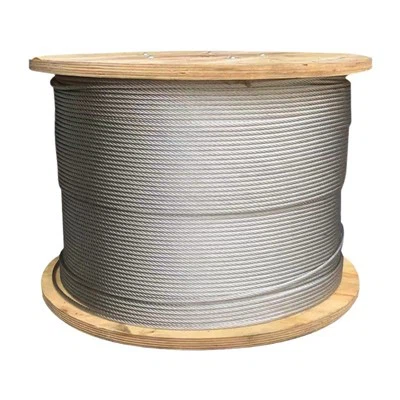
First, the selection of rigging must strictly match the load requirements. Rigging made of different materials (such as wire rope, synthetic fiber slings, and chains) has different load limits and applicable environments. For example, wire rope is suitable for high-intensity lifting but is susceptible to corrosion; synthetic fiber slings are soft and abrasion-resistant but have poor high-temperature resistance. When purchasing or renting rigging, the maximum working load (WLL) must be clearly marked and ensured to comply with international standards (such as ISO or ASME).
Second, pre-use inspection is essential. Check the rigging for signs of wear, cracks, deformation, or corrosion. Are connecting components (such as shackles and hooks) intact? Even minor damage can lead to serious accidents. It is recommended to establish a regular inspection system and promptly scrap damaged rigging. Furthermore, before lifting, the load's center of gravity must be confirmed and the lifting angle must be planned appropriately to avoid oblique or lateral forces that could cause rigging failure.
During operation, personnel training and adherence to regulations are equally crucial. Lifting operations should be directed by certified personnel, with clear and consistent signaling to prevent misoperation. Overloading or mixing incompatible rigging is strictly prohibited. In severe weather conditions (such as strong winds, rain, or snow), outdoor lifting operations should be suspended to prevent rigging slippage or load loss.
Finally, storage and maintenance directly impact the lifespan of rigging. After use, rigging should be cleaned promptly and properly stored in a dry, well-ventilated area away from sources of chemical corrosion and mechanical damage. Regular lubrication of metal components can extend its service life.
In short, rigging and lifting safety is crucial. Foreign trade companies involved in exporting related equipment or collaborating on projects must ensure that suppliers are compliant and provide clear safety operating instructions to their customers. Only by strictly adhering to industry standards can risks be minimized and operations be smooth.