Rigging lifting is an essential technology in modern logistics and engineering construction. Its core is the safe and efficient movement of heavy loads using specialized equipment and tools. Understanding its working principles not only helps improve operational safety but also provides more reliable technical support for the foreign trade industry.
A rigging lifting system primarily consists of three parts: spreader, rigging, and lifting machinery. Spreaders, such as hooks, electromagnetic suction cups, or specialized clamps, directly contact the object being lifted and are responsible for carrying and securing the load. Rigging, consisting of wire ropes, belts, or chains, connects the spreader to the lifting machinery, transmitting tension. Lifting machinery, such as cranes, forklifts, or hoists, provides the lifting power and regulates the lifting and movement of the load through a control system.
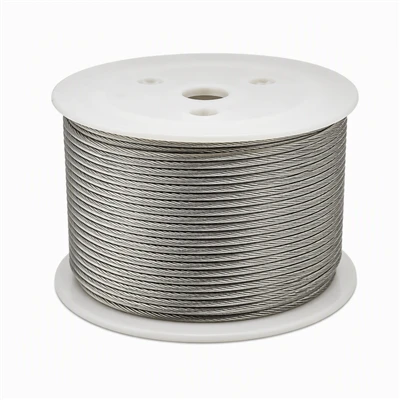
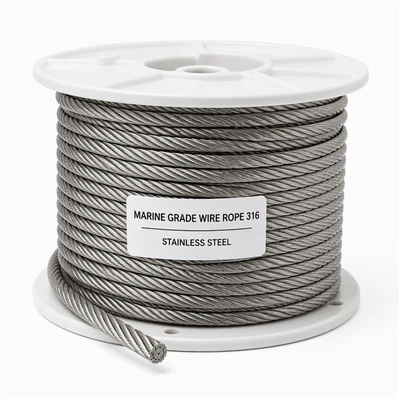
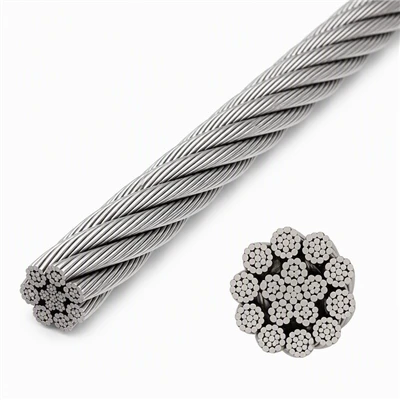
The operating principle of rigging is based on mechanical balance and friction control. When the lifting machinery is activated, a power source (such as an electric motor or hydraulic system) drives the winch or boom, transmitting tension to the spreader through the rigging, thereby lifting the load. During this process, the strength of the rigging and the stability of the lifting gear are crucial. Appropriate materials and specifications must be selected based on the load weight, shape, and environmental conditions. For example, steel wire rope is suitable for high-strength lifting, while synthetic fiber slings are more suitable for delicate or fragile items.
In the foreign trade industry, rigging and lifting technology is widely used in port loading and unloading, large equipment transportation, and warehouse management. Efficient lifting systems can significantly reduce logistics costs and improve cargo turnover efficiency. Furthermore, international standards such as ISO have strict regulations on rigging materials and safety factors, ensuring operational compliance in cross-border trade.
With the advancement of automation and intelligent technologies, modern rigging and lifting systems are increasingly integrating sensors and remote control capabilities to further enhance safety and precision. Understanding their operating principles can help foreign trade practitioners optimize supply chain management and strengthen their competitiveness in the international market.