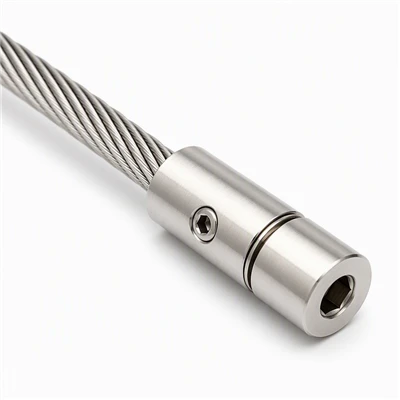
As essential components in mechanical connections, the performance of fasteners depends largely on the material used. Fasteners made of different materials have their own strength, corrosion resistance, temperature resistance, and cost, making them suitable for different industrial applications.
Carbon steel is the most commonly used material for fasteners due to its low cost, high strength, and ease of processing. Low-carbon steel (such as C1010) is typically used for general bolts and nuts, with corrosion resistance enhanced by hot-dip galvanizing or electroplating. Medium-carbon steel (such as C1045) achieves higher strength after quenching and tempering and is suitable for mechanical structural parts. High-carbon steel is used in specialized applications requiring higher hardness, but exhibits lower toughness.
Alloy steel, enhanced by the addition of elements such as chromium, molybdenum, and nickel, is widely used in applications requiring high strength and fatigue resistance, such as automotive and aerospace. For example, 40Cr steel, after quenching and tempering, exhibits excellent strength and wear resistance and is commonly used in fasteners for engines and heavy machinery.
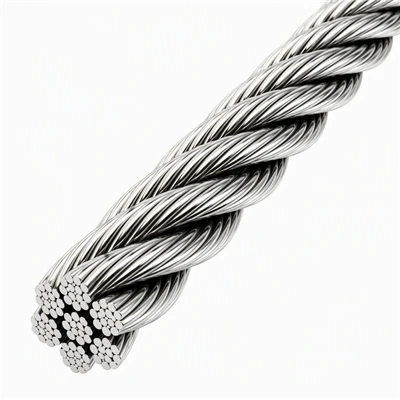
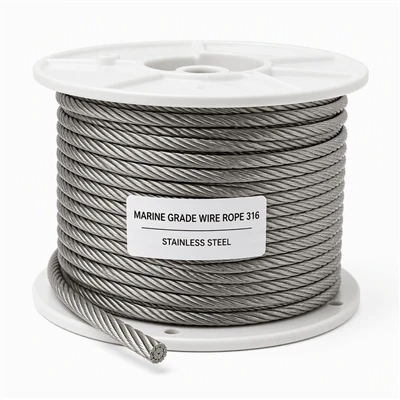
Stainless steel is renowned for its corrosion resistance and is primarily categorized into three types: austenitic (such as 304 and 316), martensitic, and ferritic. 304 stainless steel is widely used in the food and chemical industries due to its excellent corrosion resistance and formability. 316 stainless steel, containing molybdenum, offers enhanced chloride corrosion resistance and is suitable for marine environments. Martensitic stainless steel (such as 410) offers a balance of strength and corrosion resistance and is commonly used in cutting tools and bearing fasteners.
Non-ferrous metals such as aluminum, copper, and titanium alloys also have specific applications. Aluminum alloy fasteners are lightweight, corrosion-resistant, and highly conductive, making them suitable for aerospace and electronic equipment. Copper alloys (such as brass) offer excellent conductivity and corrosion resistance and are commonly used in electrical connections. Titanium alloy fasteners offer high strength, high-temperature resistance, and corrosion resistance, but are costly and are primarily used in aviation and high-end medical equipment.
In summary, the selection of fastener materials requires a comprehensive consideration of mechanical properties, environmental compatibility, and cost-effectiveness to meet the needs of different industries.