High-Performance Tower Crane Wire Ropes | Solite Technical Guide
Selecting High-Performance Wire Ropes for Tower Cranes
Category: Applications & Engineering

Tower cranes demand ropes with high rotation resistance and structural stability for safe high-rise lifting operations.
The Engineering Challenge
Tower cranes are unique in their operational demands. Operating at extreme heights, the main hoist rope must withstand thousands of bending cycles, severe crushing on multi-layer drums, and the inherent tendency of standard stranded ropes to untwist under load. Selecting the wrong rope construction doesn't just reduce service life-it poses a serious safety risk to the entire site.
Why Rotation Resistance Matters
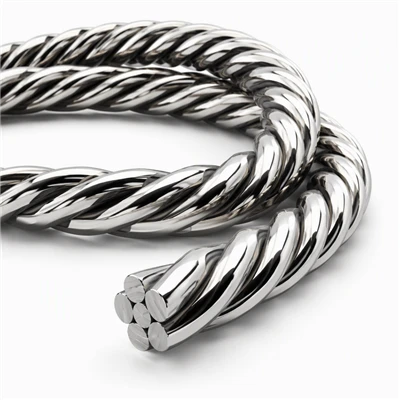
When a conventional wire rope is loaded, it generates a torque that attempts to untwist the strands. In high-rise lifting, this can cause the load to spin uncontrollably. Solite's **35Wx7** multi-strand construction is specifically engineered to counteract this torque.
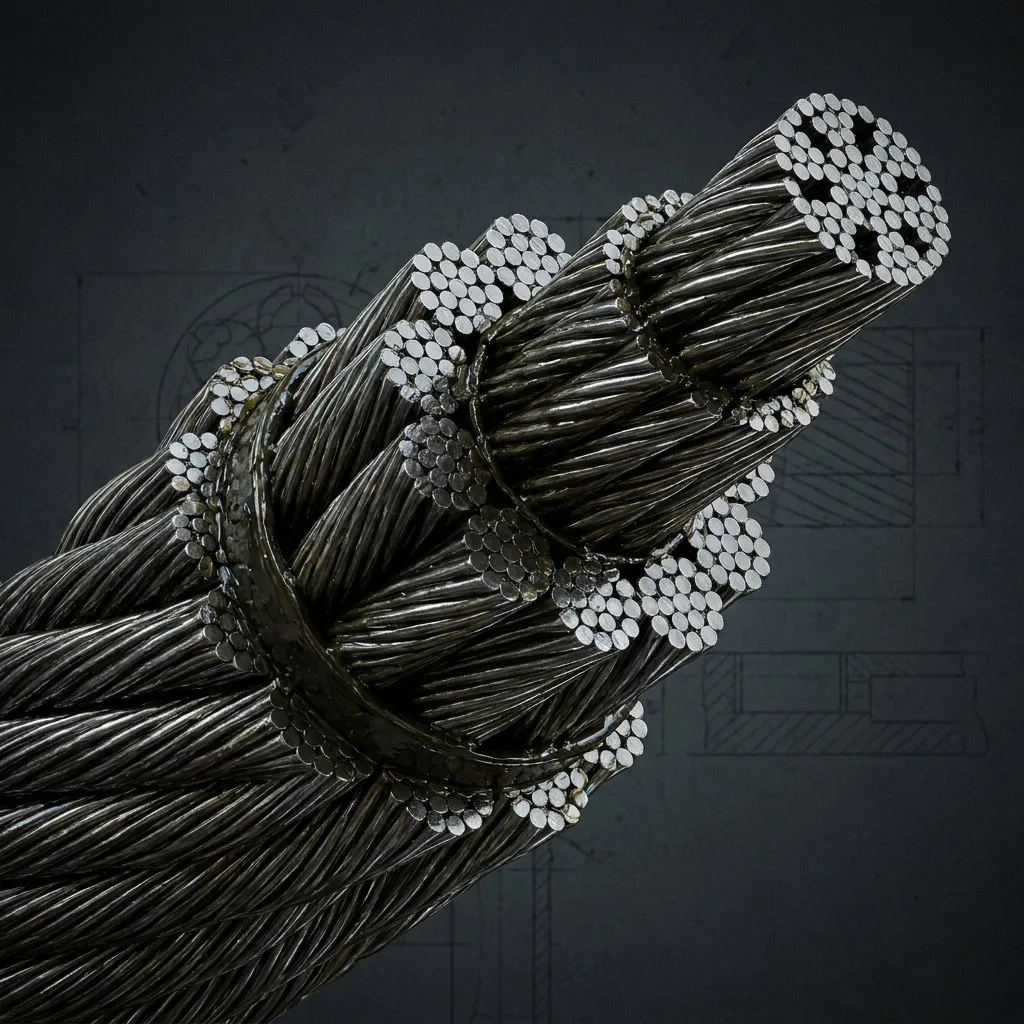
Figure 1: The multi-layered 35Wx7 structure. Opposite lay directions between inner and outer layers balance torque effectively.
Solite 35Wx7 Series: Key Features
Expert Solutions for Your Lifting Projects
Need a customized wire rope specification for your crane fleet? Our technical team provides MTC-certified solutions for global B2B buyers.
Get a Technical Quote Today