Introduction
The breaking load of a steel wire rope is one of the most critical parameters in rigging engineering. Understanding how to calculate it accurately ensures safe lifting operations and compliance with industry standards such as ISO 2408 and EN 12385.
What is Breaking Load?
Breaking load, also known as minimum breaking force (MBF), is the maximum force a wire rope can withstand before failure. It is typically expressed in kilonewtons (kN) or tonnes (t).
Key Factors Affecting Breaking Load
- Wire Tensile Strength: Typically ranging from 1570 N/mm² to 2160 N/mm².
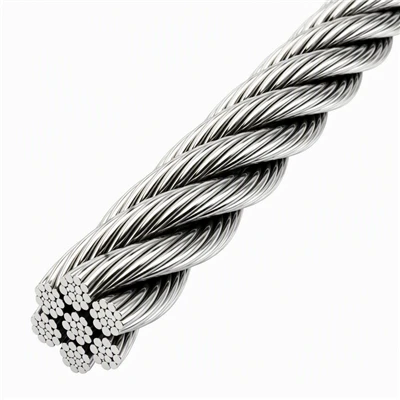
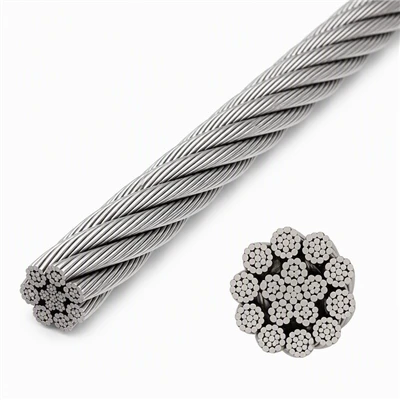
- Rope Construction: The number of strands, wires per strand, and core type affect breaking strength.
- Fill Factor: The ratio of metallic cross-sectional area to the circumscribed area of the rope.
- Spinning Loss Factor: Accounts for the reduction in strength due to the helical winding of wires.
Breaking Load Formula
The theoretical breaking load F can be calculated as:
F = K × d² × R₀ / 1000
Where:
- F = Minimum breaking load (kN)
- K = Empirical factor depending on rope construction (typically 0.3–0.55)
- d = Nominal rope diameter (mm)
- R₀ = Nominal tensile strength of wires (N/mm²)
Practical Example
For a 20mm diameter 6×36WS-IWRC steel wire rope with 1960 N/mm² grade:
F = 0.40 × 20² × 1960 / 1000 = 313.6 kN (approximately 32 tonnes)
Safety Considerations
Always apply a safety factor (typically 5:1 for general lifting, up to 10:1 for personnel lifting) when determining the working load limit (WLL).
Conclusion
Accurate breaking load calculation is fundamental to safe rigging practices. Always refer to manufacturer specifications and relevant standards when determining rope capacity.