Coastal Projects: When is Stainless Steel Worth the Extra Cost Over Galvanized?
SOLITE ON-SITE EXPERT SERIES | 2026 EDITION
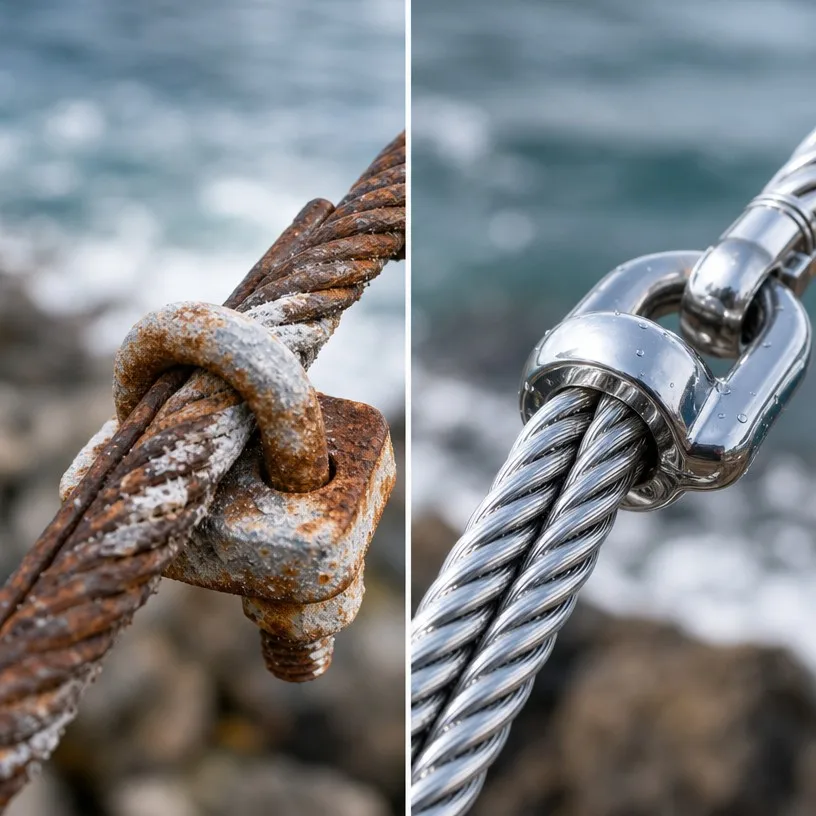
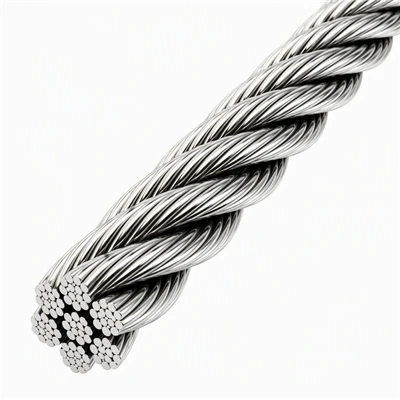
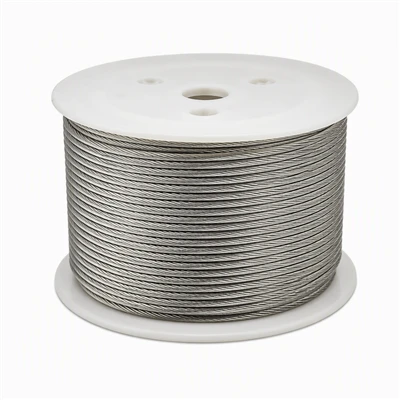
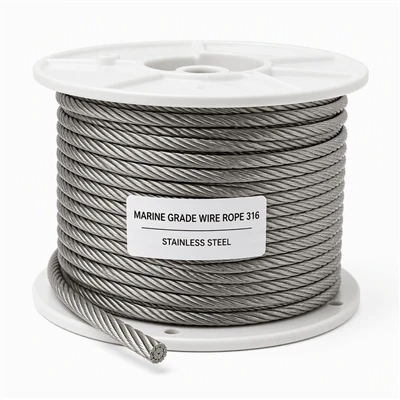
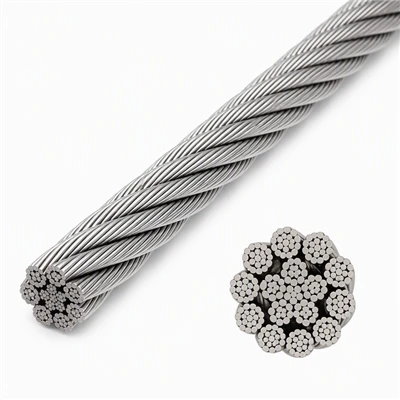
Practical On-Site Visual: Understanding Coastal Projects: When is Stainless Steel Worth the Extra Cost Over Galvanized? in real-world scenarios.
If your project is near the ocean, you have a critical choice: Hot-Dipped Galvanized (HDG) or AISI 316 Stainless Steel. Many buyers choose the cheaper galvanized option, only to see it turn red with rust in 6 months. Let's look at the real-world cost-benefit map.
The Salt Spray Reality:
Standard galvanized rope relies on a layer of Zinc. In a saltwater environment, the salt acts as an accelerator for the Zinc's oxidation. Once the Zinc is gone, the steel is defenseless. AISI 316 Stainless Steel, however, contains Molybdenum, which creates a "Self-Healing" layer that resists pitting from salt ions.
The Strength Trade-Off:
It's important to know that for the exact same diameter, Galvanized steel is actually stronger than Stainless Steel. If you need the maximum possible lifting force, you might need a thicker Stainless rope to match the strength of a thinner Galvanized one.
The 5-Year Cost Model:
A Stainless Steel rope might cost 2x more than a Galvanized one. But if the Galvanized rope needs replacement every year due to rust (including the labor and downtime costs), the Stainless rope pays for itself by the second year.
Buyer's Decision Guide:
- Within 5km of the sea: Choose Stainless Steel 316 for architectural or safety use.
- Inland or heavy industrial lifting: Choose Hot-Dipped Galvanized for better strength-to-price value.
At SOLITE, we provide "Salt-Spray Resistance Data" for both materials to help you calculate your long-term ROI.
Human Engineering Verification
Please Note: At SOLITE, we prioritize safety over automation. Every technical inquiry, installation plan, and project specification is manually reviewed and verified by a senior engineer to ensure perfect compatibility. Contact us for a professional on-site guidance report.