As fundamental components in mechanical connections, fastener performance is closely tied to the operating environment. Fasteners of varying materials, surface treatments, and structures exhibit significant differences in performance under various operating conditions, and the correct selection directly impacts the safety and service life of equipment.
General Environmental Adaptability of Metal Fasteners
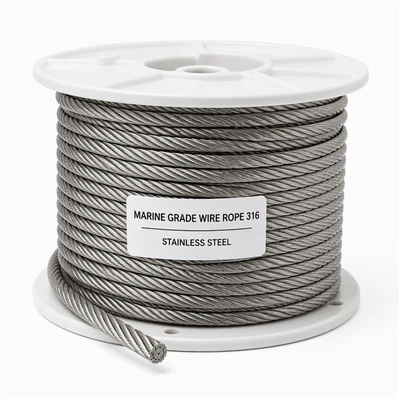
Steel fasteners (such as carbon steel and alloy steel) are widely used in dry environments at room temperature due to their high strength and low cost. They are commonly found in construction, machinery manufacturing, and other fields. However, in humid or corrosive environments, ordinary carbon steel is prone to rusting and requires galvanizing, nickel plating, or Dacromet treatment to enhance corrosion resistance. Stainless steel fasteners (such as 304 and 316), thanks to their chromium-nickel alloy composition, perform exceptionally well in high-salt spray or acidic and alkaline environments, such as those found in chemical and marine environments. The addition of molybdenum to 316 offers even greater resistance to chloride corrosion.
Special Requirements for Extreme Environments
High-temperature operating conditions (such as engines and metallurgical equipment) require heat-resistant steel or nickel-based alloy fasteners, whose oxidation resistance can withstand sustained temperatures exceeding 600°C. Low-temperature environments (such as polar equipment and liquefied gas storage) require materials to maintain toughness. Austenitic stainless steel or copper alloy fasteners are preferred due to their low-temperature brittleness. In the aerospace sector, vibration fatigue also needs to be considered. Titanium alloy fasteners are widely used due to their lightweight and high fatigue strength.
The Complementary Role of Non-metallic Fasteners
Plastic fasteners (such as nylon and polyoxymethylene) are insulating and corrosion-resistant, making them suitable for applications such as electronic equipment and food processing where metal contamination is a concern. However, their load-bearing capacity is limited and must be strictly matched to the load requirements.
In summary, the environmental suitability of fasteners requires a comprehensive consideration of material properties, surface protection, and mechanical requirements. Accurate selection is crucial for ensuring system reliability.