How Multi-Layer Drum Winding Crushes Your Wire Rope: Protection and Selection Tips
SOLITE TECHNICAL RESOURCE | 2026 EDITION
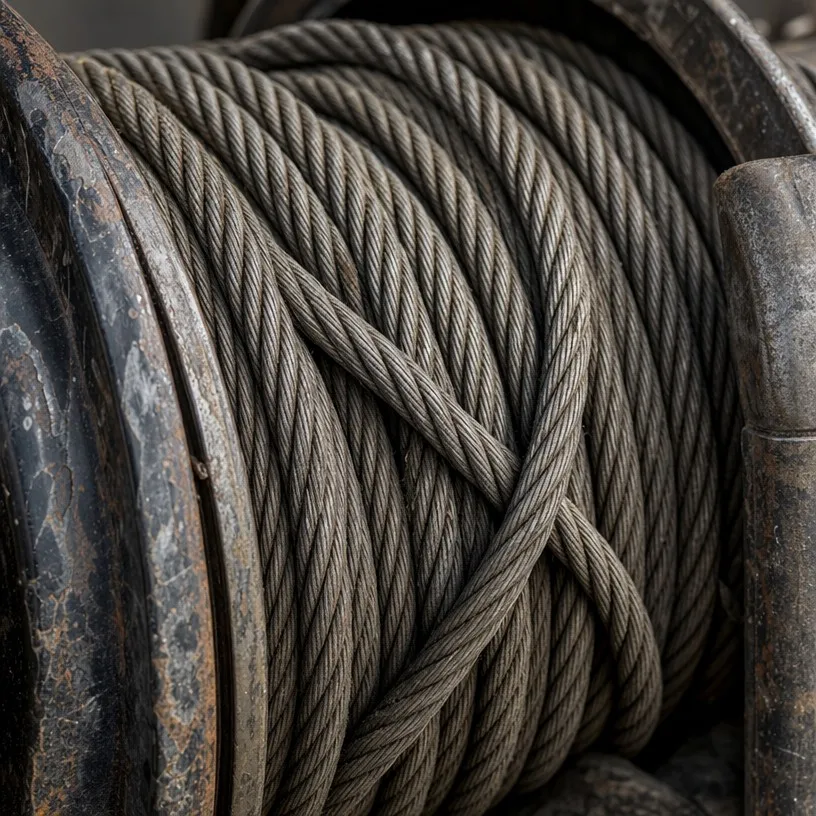
Practical Visual Guide: Real-world engineering context for 5. Equipment Interaction (设备交互)
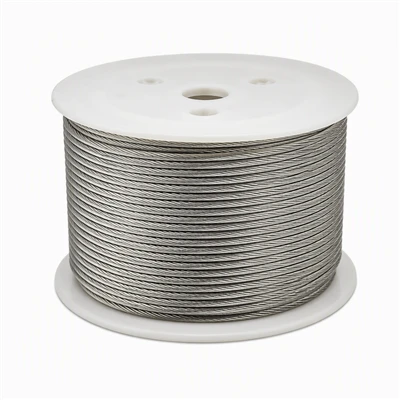
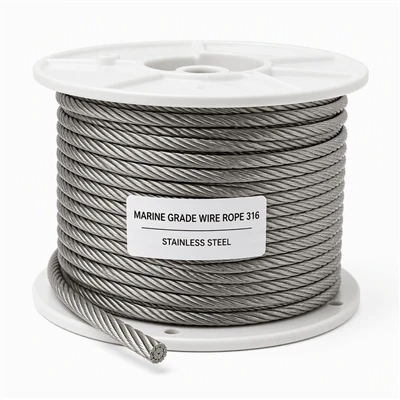
In heavy-duty applications like mobile cranes and mining winches, the wire rope is wound onto the drum in multiple layers. While this saves space, it creates intense "Radial Crushing" forces. If your rope isn't designed for this "Squeeze," the bottom layers will flatten, causing the strands to lose their shape and fail prematurely.
The "Crossover" Point:
The most dangerous area is the "Crossover," where the rope moves from one layer to the next. At this point, the rope is being crushed by the layers above it while being pulled by the load. Standard round-strand ropes are easily deformed at these points.
Why Compacted Strands are Essential:
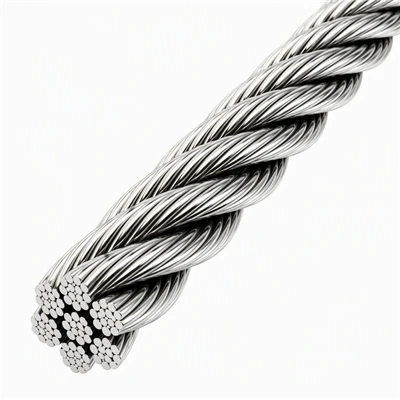
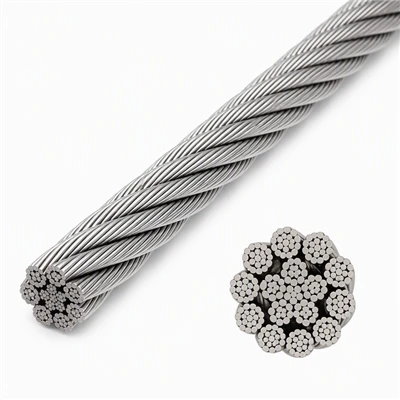
For multi-layer winding, we always recommend Compacted Strand Wire Rope. By physically flattening the outer wires during manufacturing, we create a solid metallic density that resists crushing. A compacted rope stays "round" under pressure, ensuring that the winding remains smooth and the load remains stable.