The 'Listener' Method: How to Detect Internal Rope Failure Using Your Ears and a Simple Rag
SOLITE ON-SITE EXPERT SERIES | 2026 EDITION
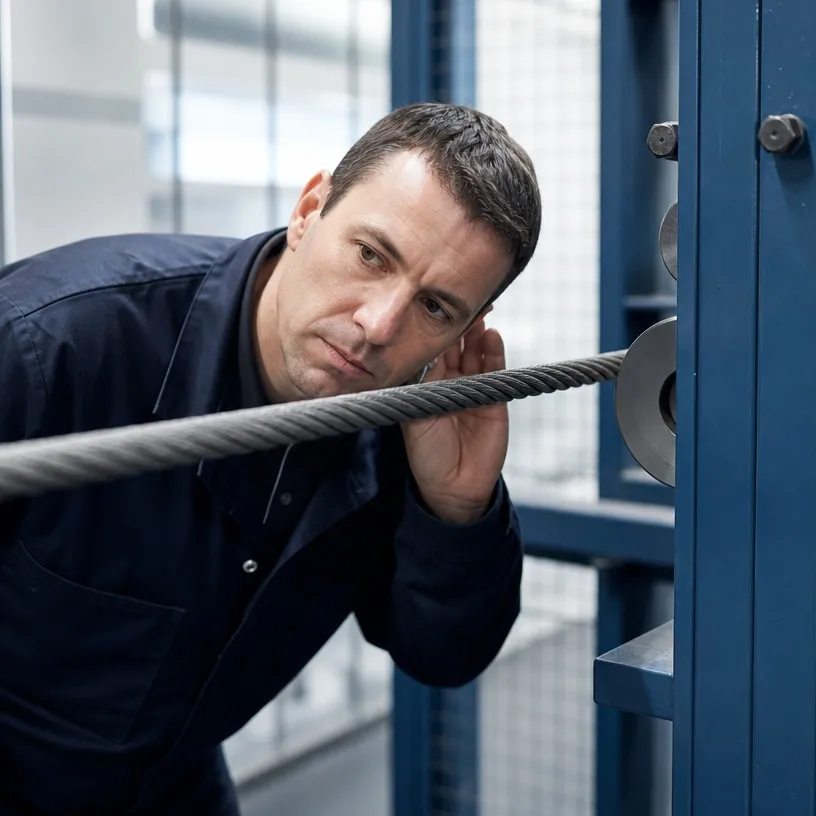
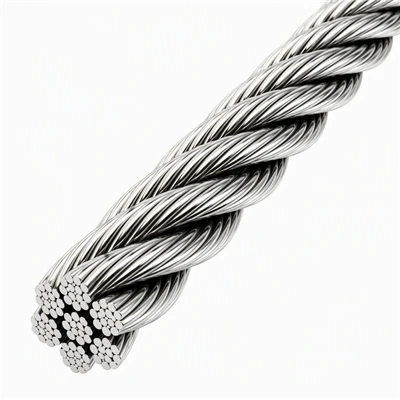
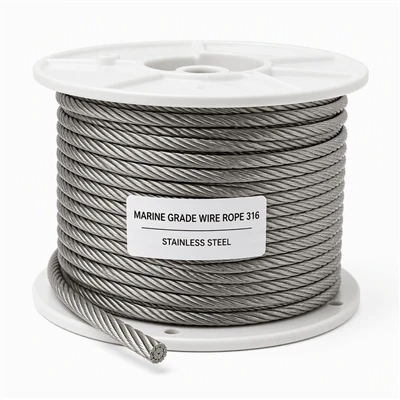
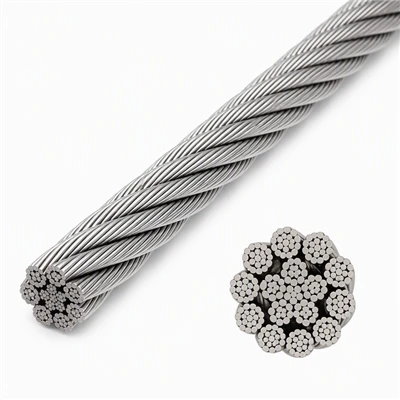
Practical On-Site Visual: Understanding The 'Listener' Method: How to Detect Internal Rope Failure Using Your Ears and a Simple Rag in real-world scenarios.
You don't always need a $50,000 magnetic sensor to know your wire rope is in trouble. Some of the most effective safety checks can be done with simple tools and your own senses. This is the "Manual NDT" approach used by veteran site managers to catch hidden dangers before they become disasters.
1. The 'Click' of Death:
When a wire rope is under tension (but not moving), stand a safe distance away and listen. If you hear a faint metallic "click" or "ping" sound, that is the sound of an individual wire snapping inside the core. This is a red alert. It means the internal fatigue has reached a breaking point, and the rope should be inspected by a professional immediately.
2. The 'Rag Snag' Test:
Visual inspection often misses small "hairline" breaks. Wrap a thick cotton rag around the rope and walk slowly alongside it. If the rag snags or hitches on a specific spot, you have a "broken wire" (a porcupine). Stop and inspect that area. If you find more than 3 breaks in a single strand within a short distance, the rope's structural soul is compromised.
3. The 'Oozing' Grease Check:
Look at the valleys between the strands. Do you see fresh lubricant being squeezed out under load? This is a good sign-it means the "Internal Battery" of grease is still active. If the rope looks dry and "dusty" even when lifting, the internal friction is building up heat, which will eventually "cook" the steel from the inside out.
Why Field Checks Save Lives:
Sensors are great, but they are only used once every few months. Your eyes, ears, and a rag are there every day. At SOLITE, we provide our clients with a "Pocket Safety Guide" that summarizes these simple field tests. Training your operators to "listen" to their equipment is the cheapest and most effective insurance policy you can buy.
Human Engineering Verification
Please Note: To ensure absolute safety and asset protection, all project technical specifications and pricing require manual review by our senior engineering desk. We refuse automated pricing to guarantee compatibility. Contact us for a professional review of your next project.