The 'Rag and Caliper' Method: Professional Inspection Tips for Site Managers
SOLITE ON-SITE EXPERT SERIES | 2026 EDITION
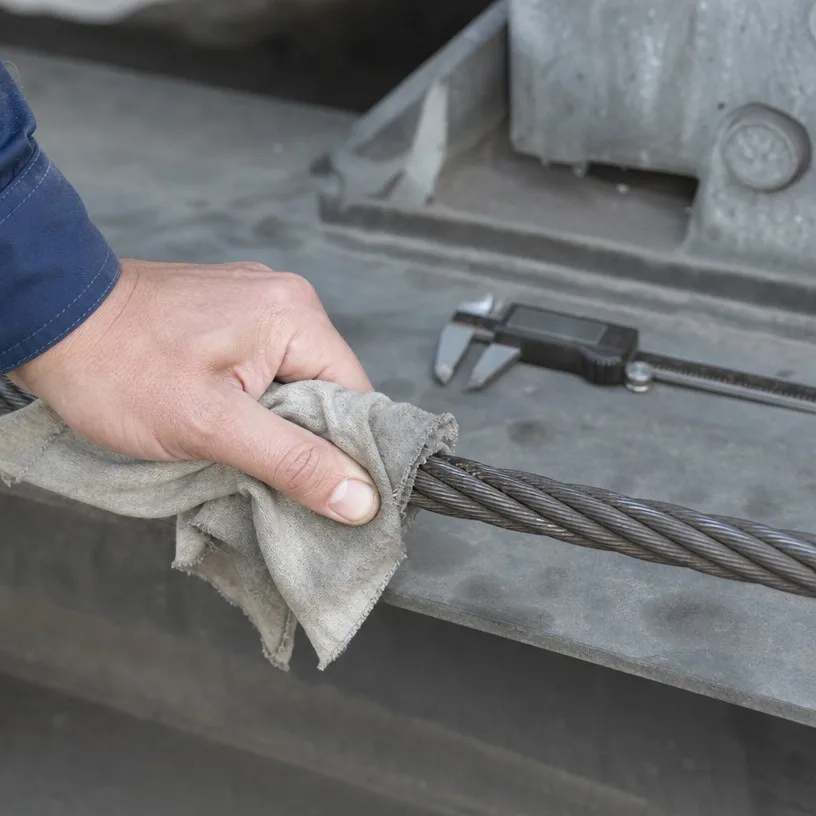
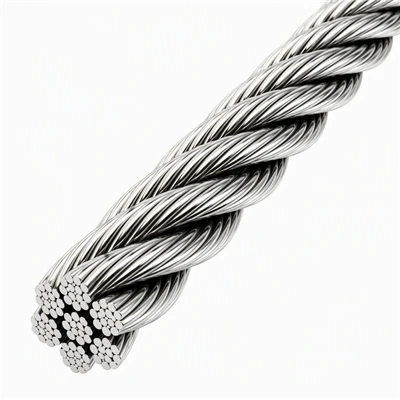
Practical On-Site Visual: Understanding The 'Rag and Caliper' Method: Professional Inspection Tips for Site Managers in real-world scenarios.
You don't always need expensive magnetic sensors to know if your wire rope is safe. By using the "Rag and Caliper" method, a site manager can perform a high-quality inspection in just a few minutes.
Step 1: The "Rag" Test for Broken Wires:
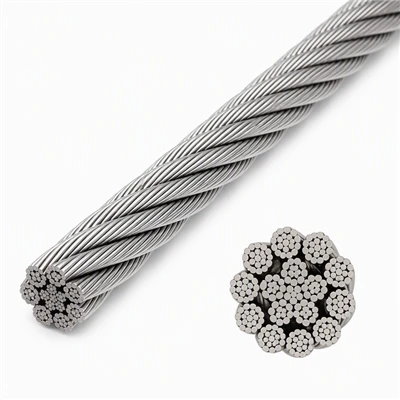
Instead of just looking for breaks, wrap a simple cotton rag around the rope and walk slowly along its length. If the rag snags, you have a broken wire. Once a snag is found, stop and count how many breaks are in that 1-meter section. If you find more than 6 wires snapped in one "lay length" (the distance it takes for a strand to make one full circle), the rope must be replaced.
Step 2: The Caliper Check:
Always measure the rope's diameter across its widest points (from the "crown" of one strand to the "crown" of the opposite strand). Never measure in the "valleys" between strands. Compare this to the original diameter listed on your SOLITE MTC. If the diameter has reduced by 7% or more (e.g., a 20mm rope now measuring 18.5mm), the internal core is failing.
Step 3: Spotting the 'Rouge':
Look for a fine, reddish-brown powder in the valleys between strands. This is "metallic rouge." It is the forensic proof that your internal lubricant has failed and the internal wires are grinding each other into dust.
Step 4: Check the Termination:
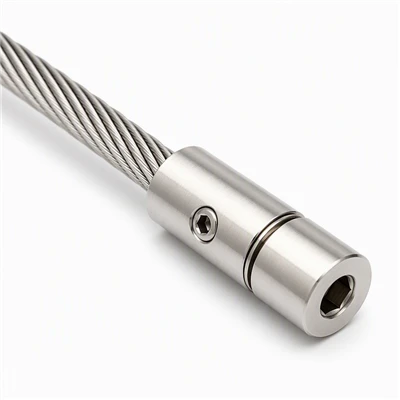
Look at the end of the rope where the fitting is attached. Is there any sign of the rope pulling out? Is the aluminum sleeve cracked?
Conclusion:
Regular inspection is the cheapest insurance policy in the world. By teaching your team these simple steps, you can catch wear patterns early and schedule replacements before they become emergencies. At SOLITE, we offer free "Inspection Templates" for our regular clients to help them keep their logs up to date.
Human Engineering Verification
Please Note: At SOLITE, we prioritize safety over automation. Every technical inquiry, installation plan, and project specification is manually reviewed and verified by a senior engineer to ensure perfect compatibility. Contact us for a professional on-site guidance report.