Tribology at the Strand: The Science of High-Pressure Grease in Marine Wire Ropes
SOLITE TECHNICAL KNOWLEDGE SERIES
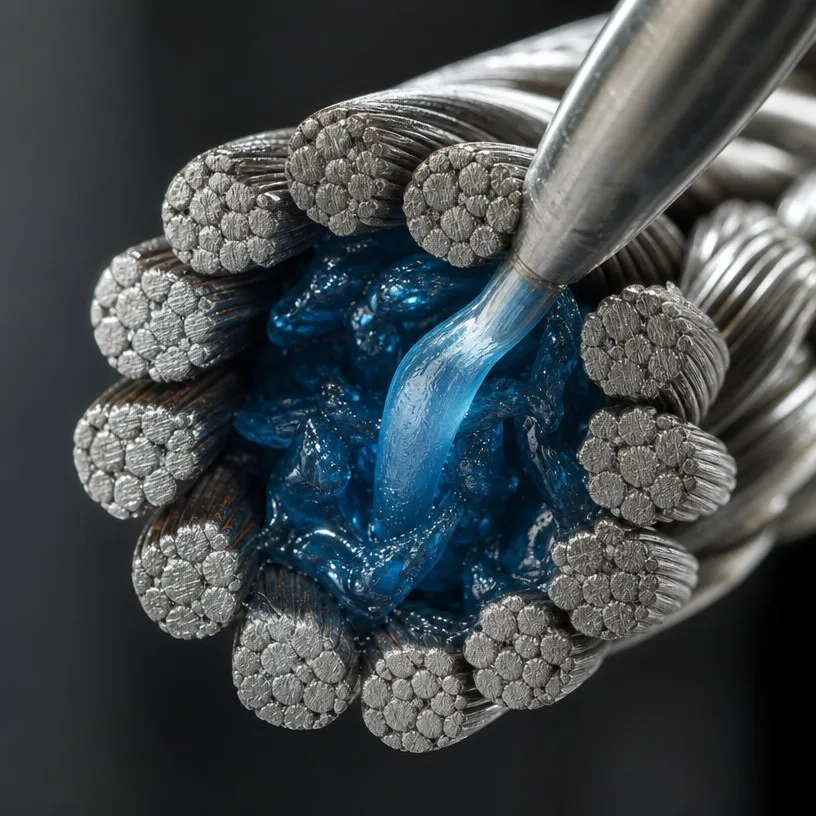
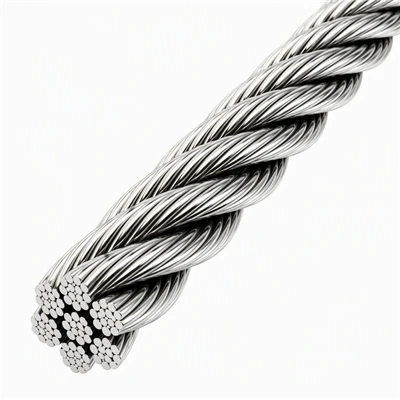
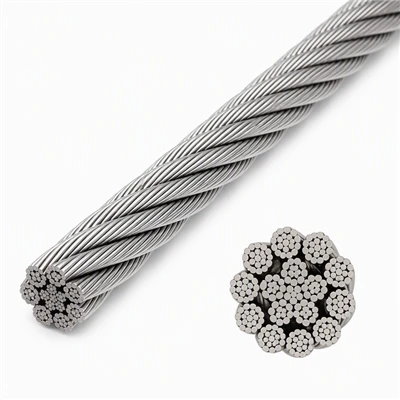
Steel wire ropes are complex machines with hundreds of moving parts. Every time a rope bends over a sheave, the individual wires rub against each other, creating intense internal friction. In marine and offshore environments, this friction is coupled with the aggressive intrusion of saltwater. Tribology-the science of friction and lubrication-is the key to doubling a rope's service life.
Lubrication as an Internal Barrier:
A high-quality marine lubricant must perform three tasks: minimize friction, prevent corrosion, and resist being washed away by high-pressure waves. At SOLITE, our ropes are manufactured using 'Deep-Impregnation' techniques. During stranding, we inject high-viscosity, water-resistant grease into the core and between each wire. This ensures that every internal metallic surface is coated in a chemical shield.
The Maintenance Myth:
Many maintenance teams only apply lubricant to the surface of the rope. This is often ineffective because the grease cannot penetrate the outer layer while the rope is under tension. Effective re-lubrication requires the use of 'pressure lubricators' that force grease into the core while the strands are opened slightly during sheave transit. By understanding the tribological demands of your environment-whether it's the high heat of a desert crane or the freezing spray of a North Sea vessel-you can transform lubrication from a routine task into a strategic asset.
Engineering Consultation
Our technical department provides customized stress-analysis and lifecycle modeling for complex infrastructure projects. Contact our specialists for a full technical dossier.