Does Steel Purity Affect Wire Rope Life? Inside the SOLITE 'Clean Steel' Manufacturing Protocol
SOLITE TECHNICAL KNOWLEDGE SERIES | 2026 EDITION
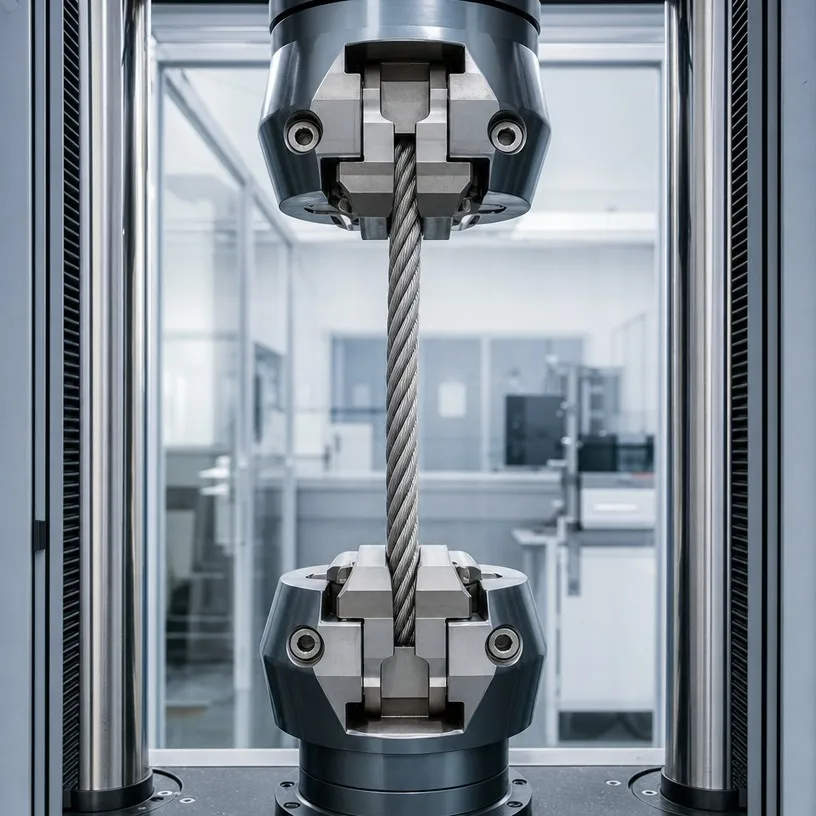
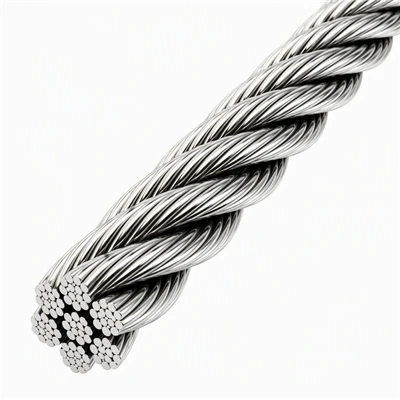
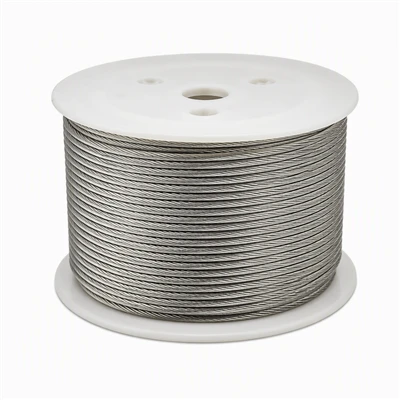
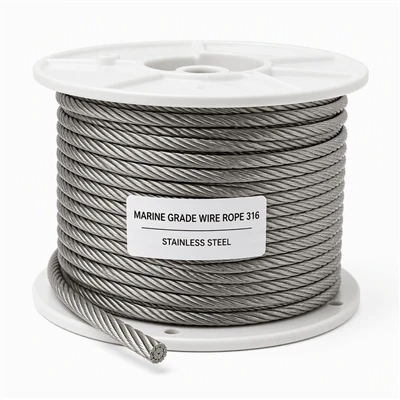
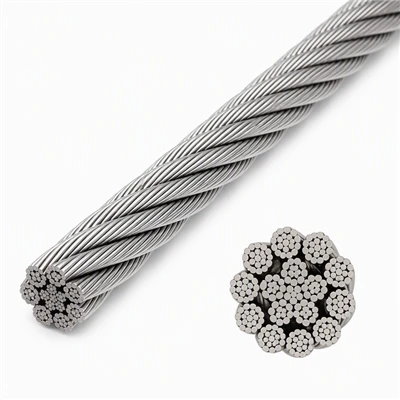
Visual Guide: Real-world engineering context for 5. Wire Rope Manufacturing & Quality
In the metallurgy of industrial tension, not all steel is created equal. You can have two ropes with the exact same diameter and weight, but one will last 3x longer than the other. The secret is "Purity." At SOLITE, we believe that quality isn't added at the end of the line-it is forged at the very beginning, in the chemical composition of the raw wire rod.
The Hidden Enemies: Phosphorus and Sulfur:
Cheap wire rope is often made from "recycled scrap" steel that contains high levels of contaminants like phosphorus and sulfur. These elements act like microscopic glass shards inside the steel. When the rope bends under load, these shards create internal stress-risers that lead to sudden, brittle snapping.
SOLITE's "Clean Steel" protocol mandates that every wire rod heat must have phosphorus levels below 0.025%. This ensures that the steel is ductile, meaning it can bend millions of times without shattering.
The Role of Isothermal Patenting:
Manufacturing high-tensile wire requires a specialized heat treatment called "Patenting." We heat the steel until it glows orange and then cool it at a precisely controlled rate to create a "Fine Pearlitic" structure. This creates a metallic "Grain" that is as flexible as it is strong.
Documented Verification:
Every order from our Custom Wire Rope Assembly line comes with a comprehensive Material Test Certificate. We encourage our buyers to look at the chemical analysis section. Purity is the definitive predictor of service life. By investing in cleaner steel today, you are preventing the costly downtime of tomorrow. Don't buy a commodity-buy an engineered asset.