The 10% Diameter Rule: Why a 'Skinny' Rope is a Dying Rope
SOLITE TECHNICAL INSIGHT | 2026 SERIES

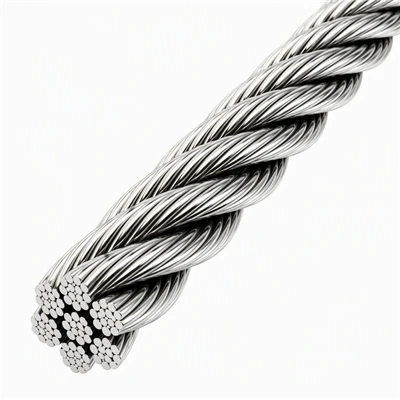
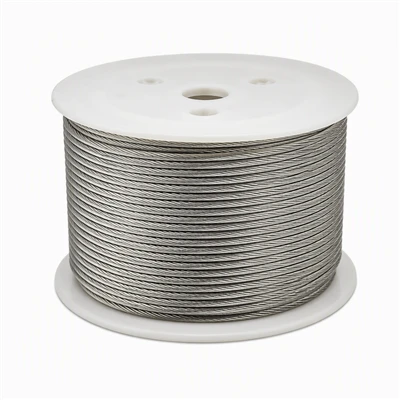
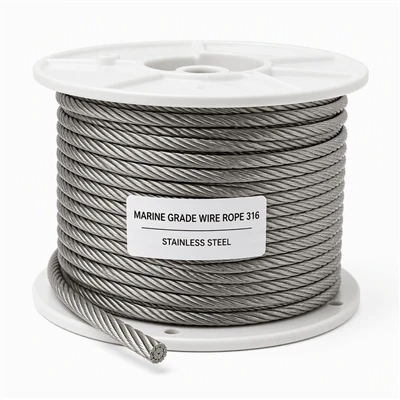
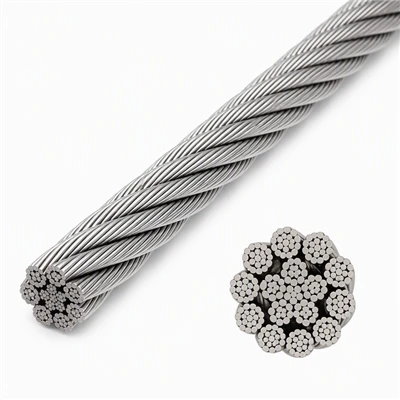
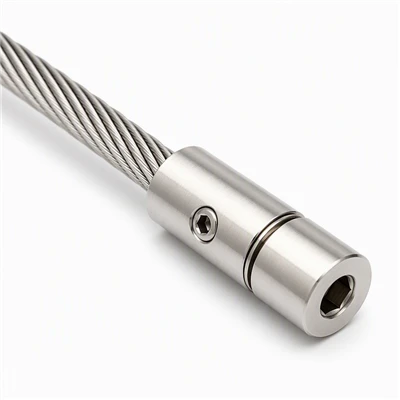
Visual Reference: Professional industrial photography of The 10% Diameter Rule: Why a 'Skinny' Rope is a Dying Rope
We all know to look for broken wires, but the most dangerous safety signal is often the one you can't see with a casual glance. It's called "Diameter Reduction." In the world of industrial safety, when your wire rope starts to look skinny, it is sending a desperate SOS from its internal core.
The Logic of the Squeeze:
A 20mm wire rope is designed to have a specific metallic cross-section. Over time, as the rope works, the internal wires rub together. If the lubricant fails, these wires grind into each other, creating internal metallic loss. Additionally, the core (the heart of the rope) can collapse. This causes the entire rope to shrink in diameter.
When to Sound the Alarm:
According to ISO 4309, if the diameter of a wire rope reduces by 10% or more compared to its original nominal size (e.g., a 20mm rope measuring 18mm), it must be retired immediately. Even if there isn't a single broken wire on the surface, the rope is no longer structurally sound. Its "reserve strength" is gone.
How to Measure Correctly:
Don't just eyeball it. You must use a wide-jaw digital caliper. Measure the rope across its widest points (crown to crown). We recommend taking three measurements at different spots and averaging them.
The Hidden Killer: Internal Corrosion:
Often, a skinny rope is a sign that saltwater or humidity has hallowed out the core. At SOLITE, we provide our clients with "Baseline Measurements" on their delivery certificates, giving your safety team a perfect starting point for their lifetime tracking. Remember: a skinny rope isn't just worn; it's starving for safety. Replace it before it fails.
Bespoke Engineering Consultation
Please note: To ensure the highest safety standards, all technical specifications and pricing require manual review by our senior engineering desk. Contact us with your project parameters for a professional consultation and custom quote.