Thermal Fingerprinting: Using Infrared Thermography to Detect Hidden Friction Nodes
SOLITE GLOBAL ENGINEERING NEWS | ISSUE 2026-Q4
High-precision industrial documentation: Product details and application scenarios.
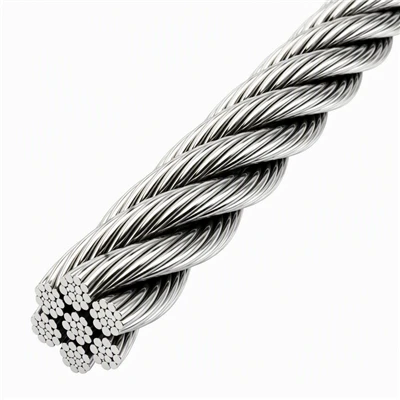
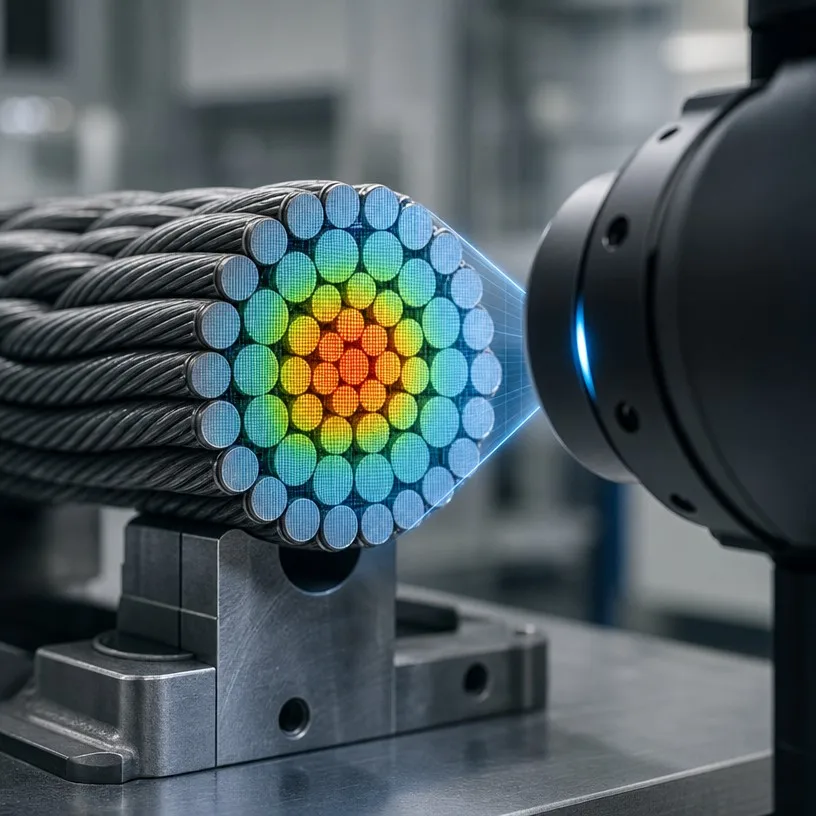
In the diagnostic evolution of wire rope safety, we are moving beyond what can be "seen" into what can be "felt" through thermal radiation. Traditional visual inspections are limited by the surface layer, but Infrared Thermography (IRT) is allowing safety officers to detect internal "friction nodes"-hotspots where the core is failing long before a broken wire appears.
The Thermodynamics of Fatigue:
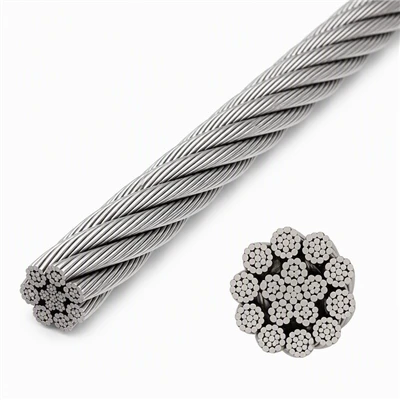
A steel wire rope is a thermodynamic system. When the internal lubricant fails or a core collapses, the individual strands begin to rub against each other with immense pressure. This "inter-wire friction" generates heat. Under active operation, a healthy rope will maintain a uniform thermal profile. However, a localized internal wire break creates a "Friction Node" that emits a distinct thermal signature-an infrared pulse that can be captured by high-sensitivity thermographic cameras.
Detecting "Rouge" via Thermal Gradient:
As discussed in previous articles, "metallic rouge" (internal corrosion powder) is a critical warning sign. Thermal fingerprinting can detect the heat generated by the abrasive nature of this powder while the rope is in transit over sheaves. By identifying a thermal gradient of just 2-3°C above the baseline, engineers can pinpoint localized corrosion zones that visual inspectors would miss.
Implementing a Proactive Safety Protocol:
At SOLITE, we recommend a "Multi-Spectrum" inspection approach. By combining Magnetic Flux Leakage (MFL) for metallic loss with Infrared Thermography for friction nodes, we provide our clients with a 3D view of their rope's health. Safety is no longer a static checklist; it is an active observation of the energy being emitted by the strands. We don't just look for breaks; we look for the thermal precursors of failure.
Project Specification Support
Do you require technical comparative data or dynamic simulation twins for your specific hoisting infrastructure? Contact our dedicated engineering desk for a bespoke technical dossier.