Why Commercial Gym Equipment Cables Fail and How to Choose a Long-Lasting Replacement
SOLITE TECHNICAL KNOWLEDGE SERIES | 2026 EDITION
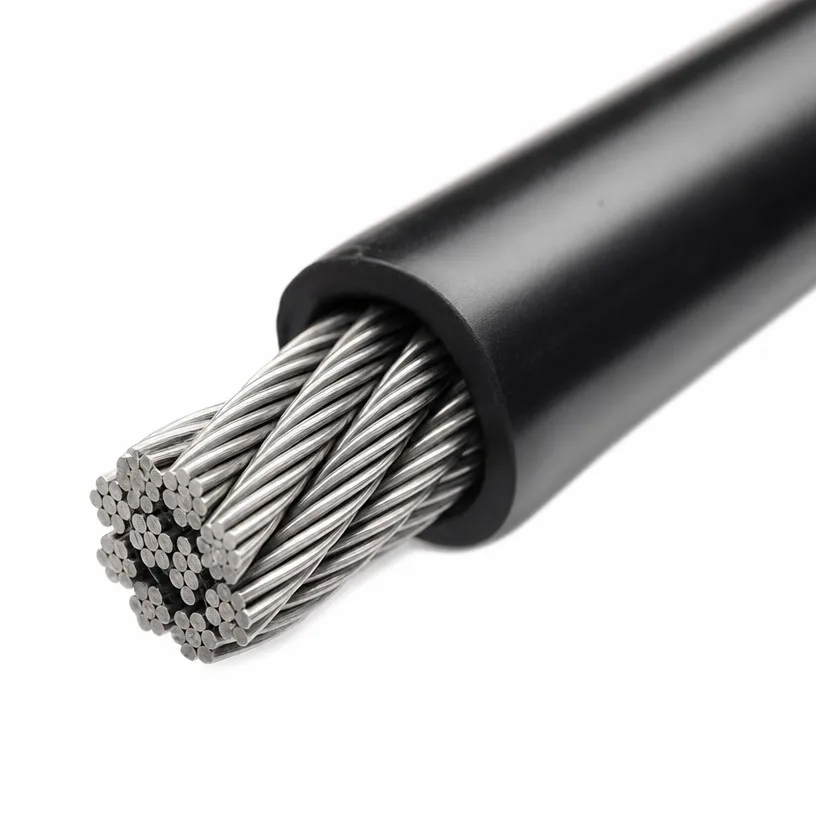
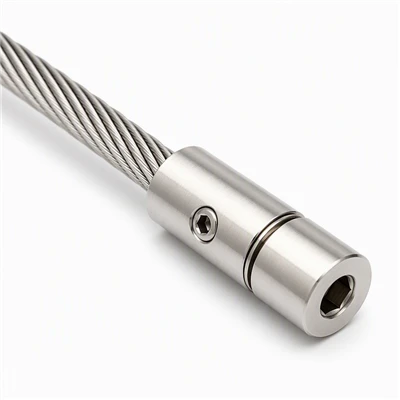
Visual Guide: Real-world engineering context for 4. Wire Rope Applications
If you manage a commercial fitness center, you know that broken cables are your biggest maintenance headache. They frustration members, create machine downtime, and-worst of all-present massive liability risks. But why do cables that look strong on the shelf snap after just a few months of gym use? The answer is "Fatigue Engineering."
The PVC vs. Nylon 12 Battle:
Most cheap replacement cables use PVC (plastic) coating. PVC is fine for a garden fence, but it is terrible for a gym machine. Under constant bending over small pulleys, PVC becomes hot, brittle, and eventually cracks. Once it cracks, sweat and humidity reach the steel, causing it to fray silently.
SOLITE's Pro-Glide™ series uses high-performance Nylon 12 (PA12) coating. PA12 is a "self-lubricating" polymer that remains flexible even after hundreds of thousands of cycles.
The 500,000-Cycle Test:
We don't just say our cables are better; we prove it in our "Torture Lab." While standard commercial gym cables typically fail at 120,000 cycles, our Pro-Glide series is engineered to surpass 500,000 cycles. This means you buy cables 4x less often, saving you thousands in labor and replacement costs over the life of your equipment.
Buyer's Selection Guide:
- Check the Coating: Insist on PA12/Nylon 12, not PVC.
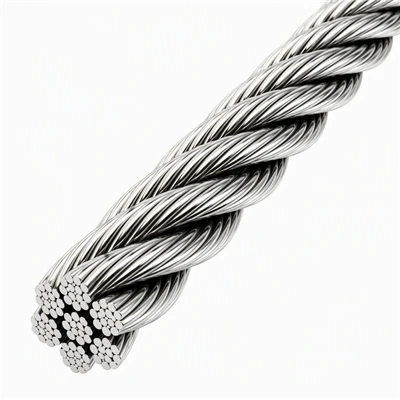
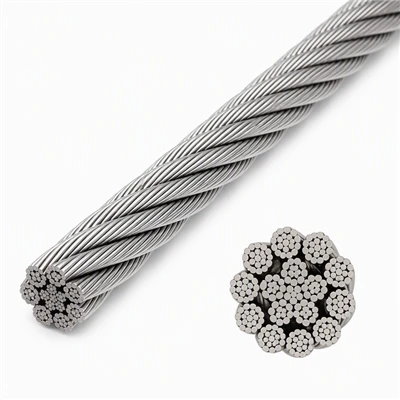
- Verify the Core: A flexible 7x19 construction is the industry standard for smooth gym operation.
- SWL Matching: Ensure the breaking force exceeds your weight stack by a safety factor of at least 5:1.
Focus on your members' gains, not your machine's repairs. Choose the industry standard in tensile endurance.