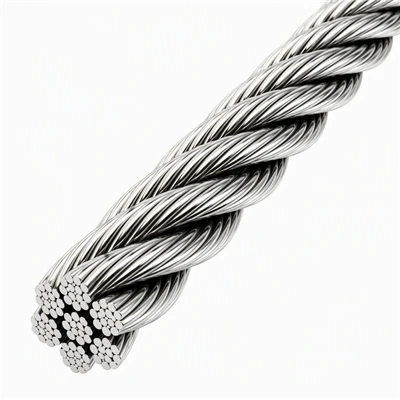
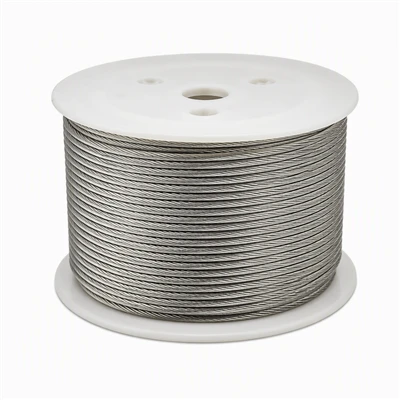
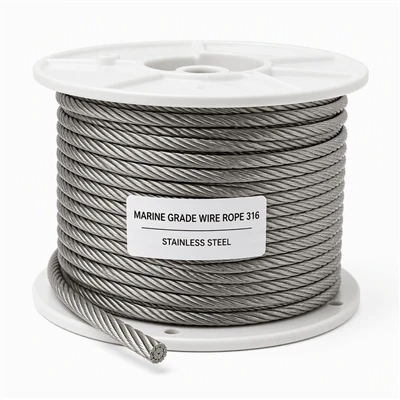
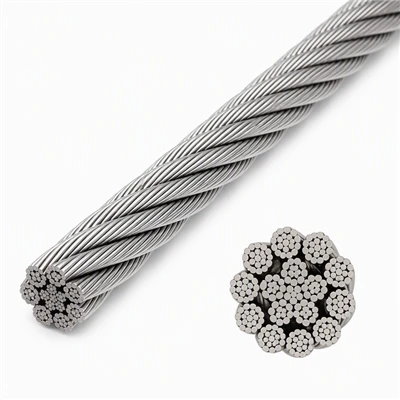
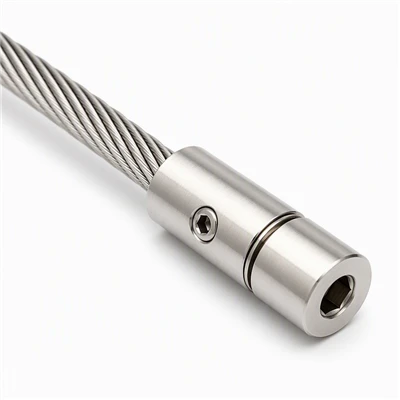
8x19W Elevator Wire Rope: Maintenance and Retirement Criteria
Elevator wire ropes are the safety lifeline of vertical transportation. As a building manager or elevator technician, understanding when a rope transition from "worn" to "unsafe" is critical. At Solite, we manufacture 8x19W (Warrington) elevator traction ropes to the highest global safety standards, including EN 81-20/50.
In this guide, we break down the maintenance essentials and the "Red Lines" for retirement.
1. Why 8-Strand Construction for Traction?
Most modern elevators utilize 8x19W with an Independent Wire Rope Core (IWRC) or Fiber Core (FC). Why not 6-strand?
- Contact Area: The 8-strand structure provides more contact points with the traction sheave groove, reducing sheave wear.
- Flexibility: More strands mean better bending fatigue resistance, which is essential for high-frequency stop-and-start cycles.
OMLA Series Note: Our OMLA-EVL-819 series is specifically engineered for high-rise traction systems, featuring a pre-stretched core to minimize elongation during the first 10,000 cycles.
2. The 3 Retirement Red Lines
According to ISO 4344 and EN standards, an elevator rope must be retired if it hits any of these criteria:
A. Diameter Reduction
If the measured diameter of the rope drops below 6% of the nominal diameter (even without visible broken wires), the rope has lost its structural integrity and must be replaced immediately.
B. Broken Wire Frequency
Counting "crown breaks" is a standard safety procedure. For an 8x19 rope, if you find more than 10 broken wires within a length of 6d (6 times the diameter), the fatigue life has expired.
C. Roulette and Rouging (Red Dust)
The appearance of "Red Dust" (Rouging) indicates internal fretting corrosion. This means the internal lubrication has dried out, and the strands are grinding against each other. Surface oiling cannot fix internal rouge; replacement is the only safe option.
3. Maintenance Tips for Extended Life
- Lubrication Consistency: Use only elevator-specific lubricants. Over-lubrication causes slippage; under-lubrication causes rouging.
- Groove Inspection: A worn sheave groove will "pinch" a new rope, causing it to fail prematurely. Always inspect sheave hardness before re-roping.
- Tension Balancing: Ensure all ropes in the set carry equal load. A tension difference of more than 5% will lead to uneven wear across the set.
Conclusion
At Solite, every reel of elevator wire rope is accompanied by a Mill Test Certificate (MTC) and a detailed fatigue test report. For high-traffic residential and commercial projects, choosing the right specification is non-negotiable.
Consult Solite's technical team today for a custom quote on 8x19W elevator ropes or to request our OMLA-EVL Series technical manual.