As one of the core technologies for modern material handling and lifting operations, rigging lifting technology is widely used in construction, manufacturing, ports, energy, and other fields. Its technical characteristics are primarily reflected in safety, adaptability, efficiency, and intelligent development, which together constitute the core competitiveness of rigging lifting technology.
High Safety and Reliability
The primary characteristics of rigging lifting technology are high safety and reliability. Lifting operations involve the movement of heavy loads, and any error can result in serious accidents. Therefore, rigging lifting systems are typically constructed of high-strength materials (such as alloy steel and fiber-reinforced composite materials) to ensure structural stability under high loads. In addition, modern rigging lifting equipment is equipped with multiple safety protection mechanisms, such as overload limiters, anti-unhooking devices, and emergency braking systems, to effectively prevent risks such as overloading and slippage. International standards (such as ISO 4309 and ASME B30 series) strictly define the load-bearing capacity, fatigue life, and testing requirements of rigging, further enhancing the reliability of the technology.
Strong Adaptability and Flexibility
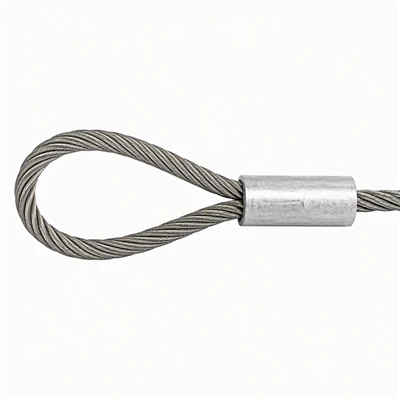
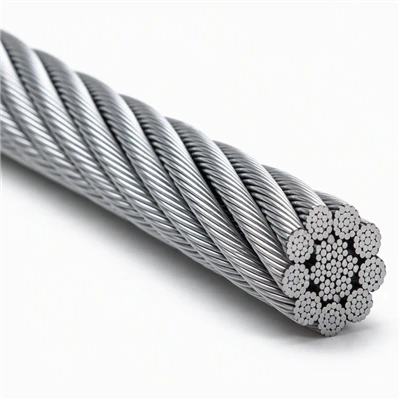
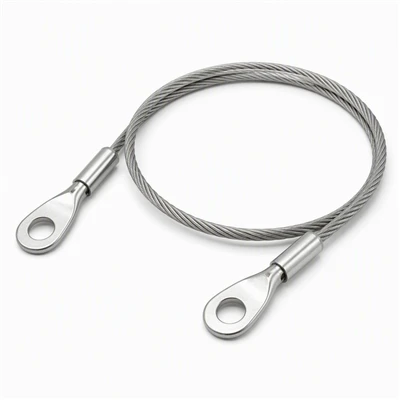
Rigging lifting technology offers exceptional environmental adaptability and operational flexibility. Rigging systems can be flexibly adjusted to meet diverse working conditions. For example, by combining different types of slings (such as wire rope, chain, and synthetic fiber slings) and slings (such as hooks, electromagnetic suction cups, and clamps), precise lifting of objects of varying shapes, sizes, and weights can be achieved. Furthermore, rigging lifting technology is suitable for a variety of complex environments, including confined spaces, high-altitude operations, offshore platforms, and extreme temperatures. For example, in marine engineering, corrosion-resistant synthetic fiber slings and heavy-duty wire rope slings are widely used for the installation and maintenance of offshore platform equipment.
Efficiency and Precision Control
Modern rigging lifting technology emphasizes operational efficiency and precision. By optimizing rigging design (e.g., lightweight and modular construction) and incorporating advanced lifting techniques (e.g., synchronized lifting and multi-point balancing control), operation time and labor costs can be significantly shortened. At the same time, the mechanization and automation levels of lifting equipment continue to improve. For example, the application of hydraulic lifting systems, intelligent leveling devices, and wireless remote control technology enables operators to more precisely control the lifting process and reduce human error. High-precision rigging and lifting technology is particularly important in scenarios such as the installation of large steel structures and the handling of precision equipment.
Intelligent and Digital Trends
With the development of Industry 4.0, rigging and lifting technology is gradually moving towards intelligence. The application of sensor technology, the Internet of Things (IoT), and big data analytics enables lifting equipment to monitor key parameters such as load, stress, and wear in real time, reducing the risk of failure through predictive maintenance. For example, intelligent rigging systems can automatically record historical lifting data to provide decision support for equipment management. Furthermore, unmanned lifting technologies (such as automatic positioning cranes and robot-assisted lifting) are also being applied in specific areas, further improving the safety and efficiency of operations.
Conclusion
Rigging and lifting technology, with its safety, adaptability, efficiency, and intelligence, has become an indispensable technical support for modern industry. In the future, with the advancement of materials science, control technology and artificial intelligence, rigging and lifting technology will continue to develop in a safer, smarter and more environmentally friendly direction, providing more powerful solutions for global material handling and engineering construction.