Rigging and lifting are an essential and crucial part of industrial production, construction, and logistics. The standardization and safety of their operation are directly related to operational efficiency and the safety of personnel and equipment. This article systematically explains the basic rigging and lifting operation methods, covering preliminary preparation, operational procedures, and precautions, aiming to provide standardized guidance for practitioners.
I. Preliminary Preparation
1. Equipment Inspection
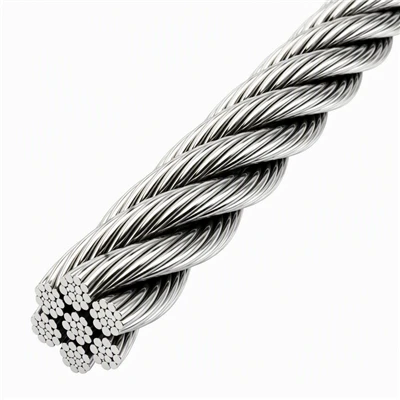
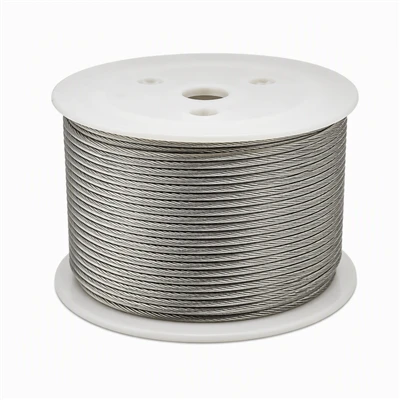
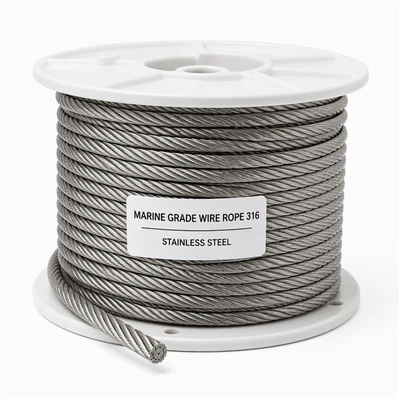
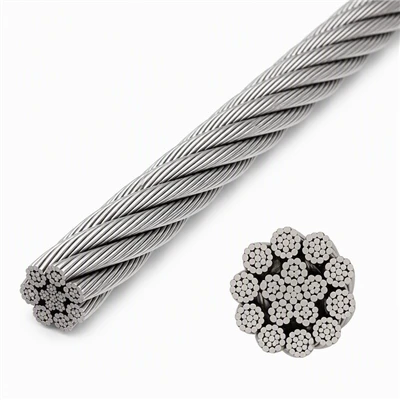
Before operation, perform a thorough inspection of the rigging (such as wire rope, slings, and chains) and lifting machinery (such as cranes and hoists). Specifically, ensure that the rigging is free of wear, broken strands, corrosion, or deformation; and that the lifting machinery's brake system, limiters, and wire rope drums are functioning properly. For sling rigging, check for secure seams and cracks in metal fittings.
2. Load Assessment
Select rigging specifications appropriate for the weight, shape, and center of gravity of the object being hoisted. Strictly adhere to the rigging's Working Load Limit (WLL) rating; overloading is strictly prohibited. If the object is irregularly shaped, use a balance beam or auxiliary lifting points to distribute the load, and calculate the actual center of gravity offset.
3. Environmental Survey
The work area should be clear of obstacles, and no personnel should be trapped under the lifting path. The ground should be flat and firm. If the foundation is soft, padding should be laid to prevent the crane from sinking. Outdoor lifting operations should be suspended in inclement weather (such as strong winds or heavy rain).
II. Operational Procedures
1. Rigging
•Wire Rope/Chain: Use the correct lashing method (such as the sling or lock method) to ensure even force is applied to the knot or shackle. When installing the wire rope clamp, the U-bolt should be positioned on the short end of the wire rope, and the tightening torque should meet the standard.
•Sling: After wrapping around the object, connect it to the crane hook through the eyelet to avoid twisting or kinking. Flexible slings should not come into direct contact with sharp edges. Install corner guards if necessary.
2. Test Lift Verification
Lift the object approximately 10-20 cm off the ground and hold it in the air for 1-2 minutes. Observe the rigging stress, crane stability, and object balance. If any tilting, unusual noises, or loose rigging is detected, readjust the rigging system.
3. Official Lift
After confirming that everything is correct, lift the object to the target height at a steady and stable speed. Maintain a constant speed and avoid sudden stops or accelerations. During horizontal movement, synchronize the crane trolley and trolley to prevent swinging or collision.
III. Precautions
1. Personnel Requirements: Only certified personnel are allowed to operate lifting equipment. Command signals must be clear and unified (e.g., flags, whistles, or hand signals). Other personnel must stay away from the lifting area.
2. Prohibited Operations: Operations must be stopped if the rigging is significantly damaged, corners are not padded, or the load exceeds 90% of the rated load.
3. Finishing Work: After the operation is completed, the rigging must be cleaned and stored in a dry and ventilated area, and regularly coated with anti-rust grease. The lifting machinery must be reset and the power disconnected.
Standardized rigging and lifting operations are the core of ensuring safe production. Workers must strengthen their sense of responsibility, strictly follow operating procedures, and reduce risks through scientific management and technical means to ensure that every lifting task is completed safely and efficiently.