Architecting the Impermeable Skin: How Z-Shaped Wires Define the Longevity of Locked Coil Cables
SOLITE TECHNICAL ENCYCLOPEDIA | SERIES 05
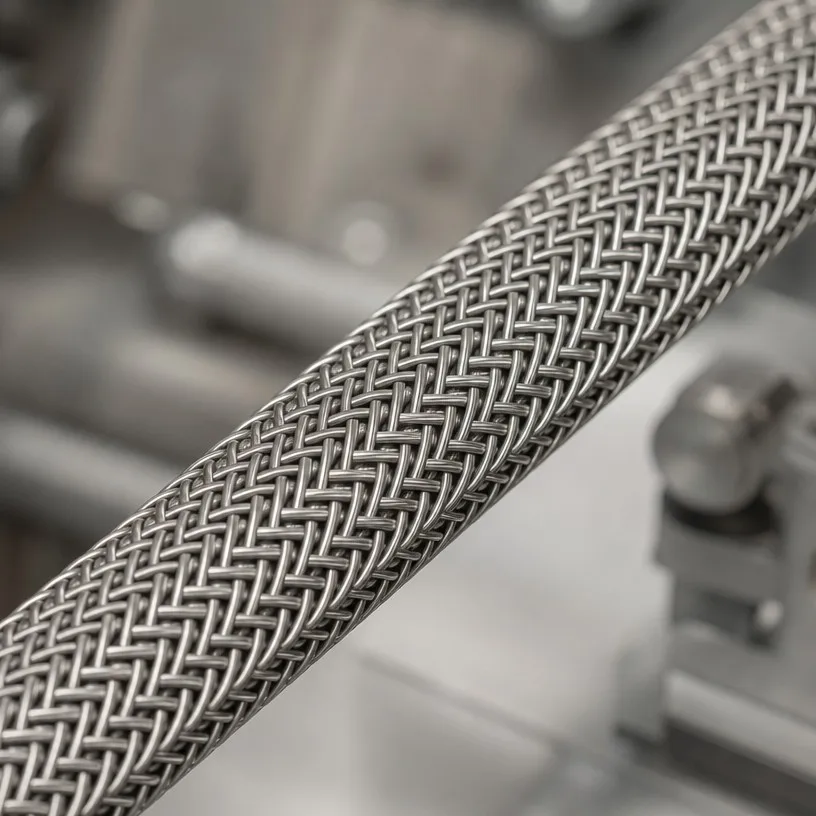
Forensic Engineering Visual: Analysis of the specific topic matter.
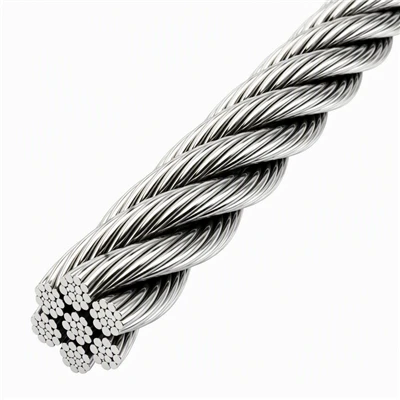
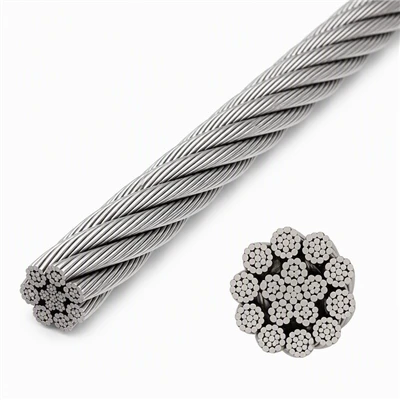
In the pantheon of bridge engineering, the Locked Coil cable stands as the ultimate defense against environmental degradation. The secret to its century-long service life is not found in the core, but in the outer surface-specifically, the Z-Wire interlocking technology. Unlike traditional round-wire ropes, where helical air gaps allow for the ingress of moisture and pollutants, Z-wires are engineered to physically "mesh" into a solid metallic cylinder.
The Geometry of a Sealing Pulse:
A Z-wire possesses a unique double-notch profile. When layered onto a cable, the protrusion of one wire fits precisely into the recess of its neighbor. This creates a mechanical seal that is effectively weather-tight. For the engineer, this means that the internal lubrication of the cable-the lifeblood of its fatigue resistance-remains trapped and protected from the elements, while external corrosion is relegated to a superficial sacrificial layer.
Tensile and Torsional Benefits:
Beyond environmental protection, Z-wire interlocking provides a significantly larger metallic cross-sectional area compared to round-wire constructions of the same diameter. This results in a higher fill factor and superior crushing resistance. At SOLITE, our locked-coil assemblies are pre-tensioned to ensure that the Z-wires are fully "seated" before installation. In the world of high-tension infrastructure, a Z-wire isn't just a component; it's the impermeable skin that ensures your bridge outlasts the century.
Engineering White Paper Request
For large-scale infrastructure projects requiring bespoke material science or FEA stress-modeling, please contact our specialized technical desk. Full technical dossiers are available upon request.