The Invisible Fracture: Decoding the Chemical Mechanics of Hydrogen Embrittlement in High-Tensile Steel
SOLITE TECHNICAL ENCYCLOPEDIA | SERIES 05
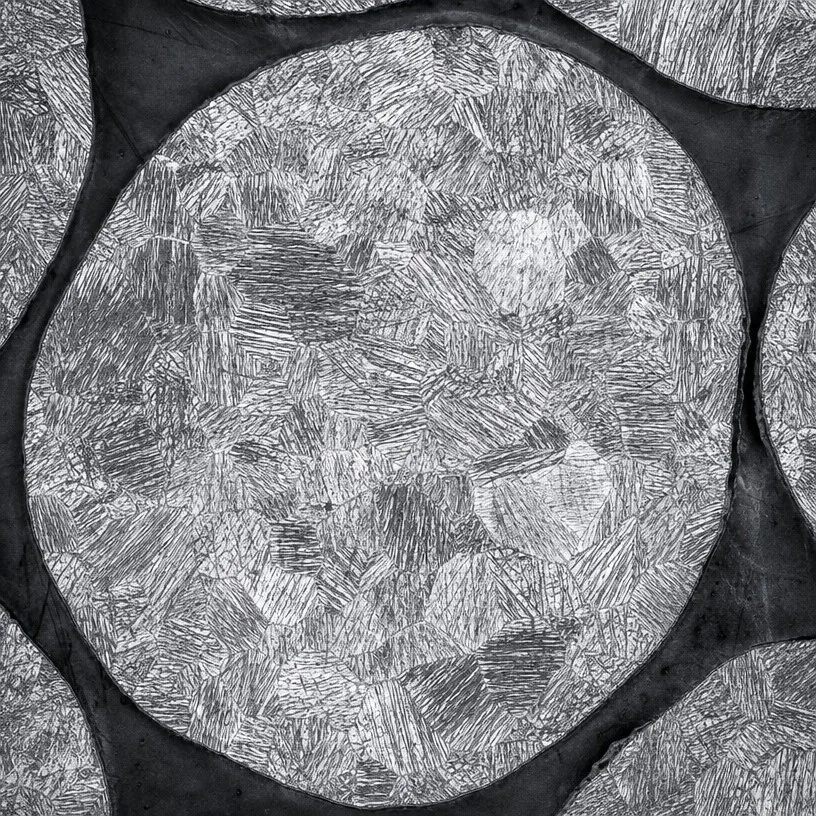
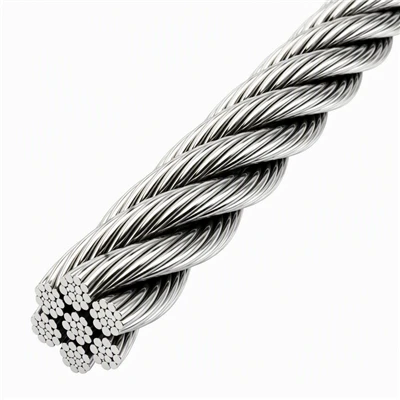
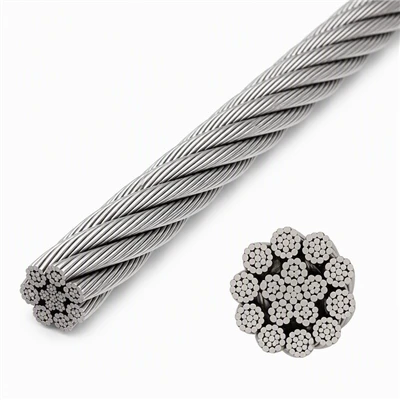
Forensic Engineering Visual: Analysis of the specific topic matter.
In the metallurgy of high-tensile wire rope, the most insidious threat is not external corrosion, but internal embrittlement. Hydrogen Embrittlement (HE) is a phenomenon where atomic hydrogen diffuses into the steel lattice, localized stress points, and initiates sudden, brittle failure at loads well below the nominal breaking force.
The Pathway of Entry:
Hydrogen typically enters the steel during "acid pickling" (to remove scale) or "electro-galvanizing." During these chemical processes, nascent hydrogen atoms are absorbed by the metallic surface. If these atoms are not "baked out" through thermal relief, they migrate to micro-voids and dislocations within the high-carbon pearlite structure. There, they recombine into molecular hydrogen, creating immense internal pressure that acts like a microscopic wedge.
Preventative Metallurgy at SOLITE:
To combat HE, SOLITE utilizes a "Low-Hydrogen Protocol." This includes strictly controlled acid concentrations and mandatory hydrogen-relief baking for all electro-plated components. For ultra-high-grade 2160 MPa ropes, we utilize specialized inhibitors during the cleaning stage. Understanding the chemistry of the hydrogen atom is a prerequisite for engineering a rope that is as safe as it is strong. In heavy industry, what you cannot see-atomic-level intrusion-is often what determines the success of your lift.
Engineering White Paper Request
For large-scale infrastructure projects requiring bespoke material science or FEA stress-modeling, please contact our specialized technical desk. Full technical dossiers are available upon request.