Short answer: Not recommended.
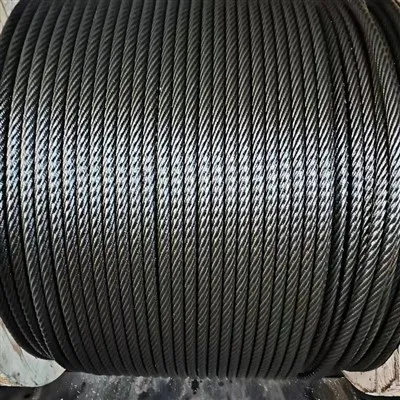
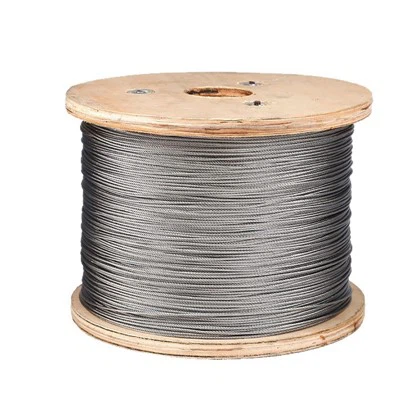
Many people assume stainless steel means rust-proof, so they use AISI 304 wire rope for lifting near the sea. But coastal areas are a different game.
The problem is salt spray and chlorides. 304 stainless has decent corrosion resistance, but it doesn't hold up against long-term chloride exposure. After a few months, you'll see pitting corrosion – small rust spots on individual wires. Even worse, crevice corrosion hides between strands, and stress corrosion cracking (SCC) can cause sudden, brittle failure under lifting loads, with little warning.
In real-world coastal lifting, 304 wire rope often fails within a year. That's too risky for any lifting operation.
What should you use instead?
- If you need stainless steel, go with 316 or 316L. The molybdenum content makes it far more resistant to chlorides.
- Galvanized carbon steel ropes can work if you maintain them well – fresh water rinse daily, proper lubrication.
- For heavy salt spray or direct splash, consider duplex stainless or jacketed ropes.
If you must use 304 temporarily
- Rinse thoroughly with fresh water after every use and let it dry.
- Store indoors in a dry place.
- Inspect before each lift – look for rust spots or broken wires.
- Retire the rope at the first sign of corrosion.
Final professional advice: Always conduct a risk assessment considering chloride exposure, lifting frequency, inspection capability, and consequences of failure. When in doubt, upgrade to AISI 316L – the incremental cost is a small fraction of the liability and downtime caused by a lifting failure in coastal conditions.
For more technical information, please contact our engineering staff.