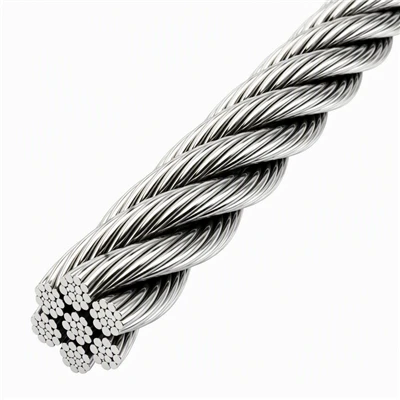
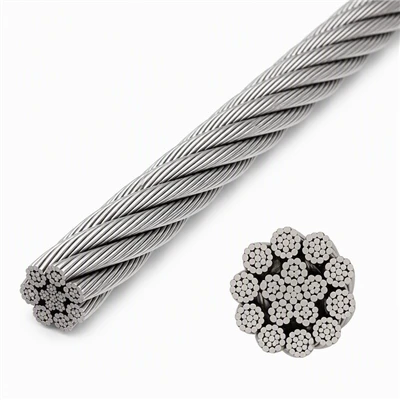
This depends on the extent and location of the corrosion. Minor surface rust typically does not affect normal use, but if deep corrosion occurs or the zinc coating is completely destroyed and the base material is corroded, the product must be taken out of service or replaced immediately.
The corrosion protection mechanism of galvanized steel wire ropes relies on the zinc layer on the surface acting as a sacrificial anode to protect the inner steel wires. Once the zinc layer is gradually consumed or damaged, the steel wire substrate will begin to rust.
Corrosion Degree Classification and Usage Assessment
| Corrosion Level | Visual Characteristics | Usability | Recommended Actions |
|---|---|---|---|
| Light Corrosion (Surface Rust Spots) | Scattered reddish-brown rust spots appear on the surface, but the zinc coating remains largely intact. The rust has not penetrated into the steel wire core. | ✔ Usable | Apply anti-rust oil or grease, and increase the frequency of routine inspections. |
| Moderate Corrosion (Layered Rust) | Rust patches spread continuously. A visible rust layer forms on the steel wire surface, but the wire diameter shows no significant reduction, and the wire remains bendable. | ▲ Use with caution, downgrade the load rating | Conduct an immediate detailed inspection (e.g., diameter measurement, bend test). If the load requirement is low and usage is short-term, monitor operation closely; otherwise, replacement is recommended. |
| Severe Corrosion (Sectional Corrosion Loss) | Rust scale flakes off, leaving pitting and pits on the steel wire surface. The wire diameter is visibly reduced, and broken wires may even appear. | ✗ Strictly prohibited from use | Immediately stop use and replace the entire steel wire rope. |
Critical Warning Signs (Must Be Retired Even Without Broken Wires)
- Visible pitting or grooves on the wire surface → Cross-sectional loss has occurred, resulting in a significant reduction in strength.
- The wire rope becomes stiff and difficult to bend due to corrosion → Indicates severe internal corrosion and failed lubrication.
- Rust scale flakes off in large pieces when lightly tapped → Both the zinc coating and the base metal have been compromised.
- Any broken wires found in corroded areas → Corrosion combined with broken wires will accelerate failure drastically, posing an extremely high risk.
Practical Usage Recommendations
| Application Scenario | Corrosion Tolerance After Rust Occurs |
|---|---|
| Lifting & hoisting, passenger elevators, cable cars | Zero tolerance: Any red rust must be evaluated immediately; moderate or higher corrosion requires immediate decommissioning. |
| Construction tower cranes, construction hoists | Light corrosion is acceptable, but inspections must be conducted at least once a month. |
| General industrial towing & conveying | Light corrosion is acceptable; moderate corrosion requires reduced load operation and planned replacement. |
| Guy wires, lashing, fencing, non-load-bearing uses | Moderate corrosion may still be used short-term, but safety must be prioritized. |
If you need more specific testing methods or a table of criteria for determining when equipment should be scrapped, we can provide them upon request.