How to Measure Wire Rope Diameter Correctly: Avoiding Common Errors in Procurement
SOLITE TECHNICAL RESOURCE | 2026 EDITION
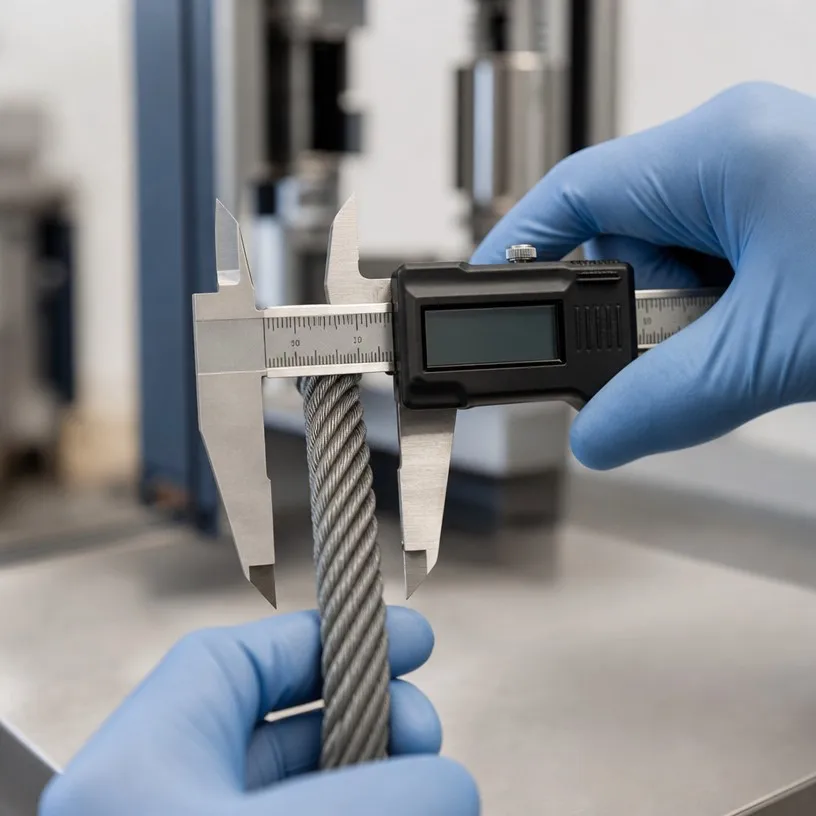
Practical Visual Guide: Real-world engineering context for 1. Technical Guide (选型指南)
In the world of industrial procurement, a difference of just 1 millimeter can be the catalyst for a mechanical disaster. One of the most frequent support tickets we receive at SOLITE involves wire ropes that "don't fit the sheave" or "fail prematurely" after a new installation. The culprit is almost always an incorrect initial measurement. Let's look at the science of measuring steel correctly.
The "Crown-to-Crown" Rule:
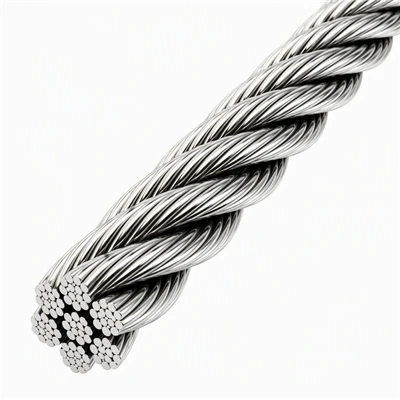
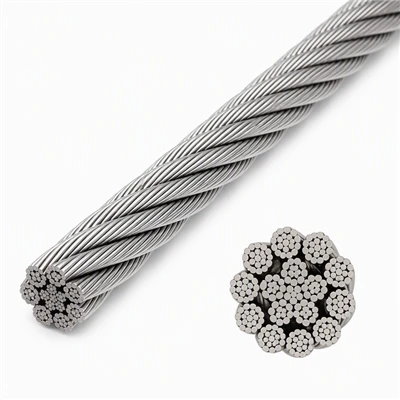
A steel wire rope is not a smooth cylinder. It is a helical structure with "valleys" between the strands. If you measure across the valleys, you are measuring the "Inner Circle," which is always smaller than the true nominal diameter. The correct method is to measure across the "crowns" (the highest points) of the strands.
Why Measuring the Valley is Dangerous:
If your machine requires a 20mm rope and you accidentally buy a rope that measures 20mm across the valleys, the true diameter (across the crowns) might be 21mm. This oversized rope will be "pinched" by your pulley sheave, leading to intense lateral pressure that will snap the outer wires in weeks.
The SOLITE Calibration Check:
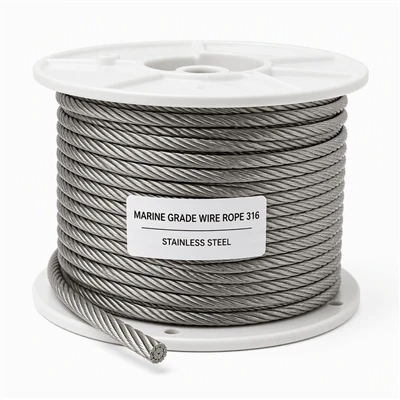
We recommend using a wide-jaw digital caliper for all field measurements. At our factory, every reel of Crane Steel Wire Rope is measured under a specific tension to ensure that the diameter is consistent from the first meter to the last. When you receive your order, always perform a three-point measurement check-at the beginning, middle, and end of the reel-and compare it to the "Actual Diameter" listed on your MTC. Accuracy in measurement is the first step toward engineering certainty.