Rigging and lifting are critical components of modern logistics and engineering construction, and innovations in their synthesis methods directly impact operational efficiency and safety. With the continued growth of global trade, the demand for efficient and reliable lifting solutions is growing, driving the continuous optimization of rigging and lifting technology. This article will explore the core principles of the rigging and lifting synthesis method and its application value in the foreign trade industry.
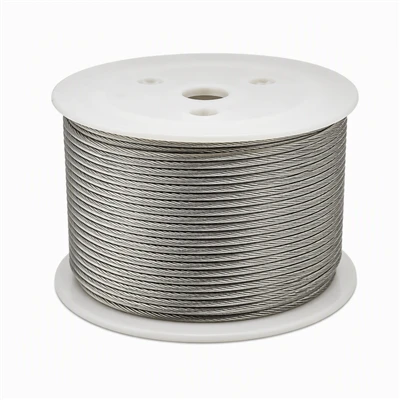
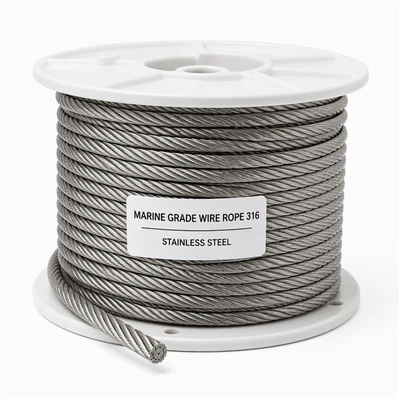
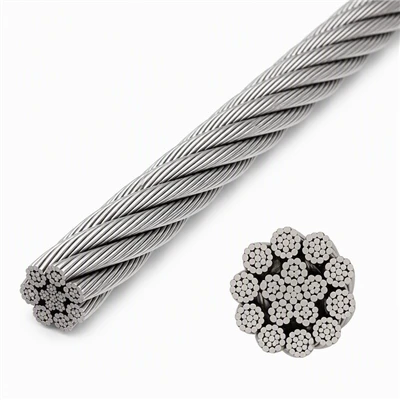
The rigging and lifting synthesis method primarily involves the scientific combination of different types of rigging (such as wire rope, slings, chains, etc.) and lifting equipment to create a comprehensive solution tailored to specific working conditions. The core of this method lies in precisely matching material strength, flexibility, and wear resistance based on load characteristics, operating environment, and operational requirements, thereby achieving a balance between safety and efficiency. For example, in the export transportation of heavy machinery, a combination of high-strength wire rope and non-slip slings is often used to ensure load-bearing capacity while reducing the risk of surface damage to the cargo.
In the foreign trade sector, there is a significant trend toward standardization and customization of rigging and lifting synthesis methods. International standards such as ISO 4309 and the ASME B30 series provide a technical framework for integrated solutions, while customized designs for specialized cargo are key to a company's competitiveness. For example, transporting precision instruments requires the use of low-elongation synthetic fiber slings to prevent vibration damage. Lifting large steel structures, on the other hand, relies on the coordinated operation of multiple rigging devices, optimizing force distribution through mechanical calculations.
Furthermore, the integration of digital technology further enhances the reliability of integrated solutions. Sensors monitor rigging stress and, combined with AI algorithms, dynamically adjust lifting parameters, significantly reducing operational risks. For foreign trade companies, mastering advanced integrated rigging and lifting technologies not only improves logistics efficiency but also strengthens the trust of international customers, giving them an edge in the fiercely competitive market.
In the future, with breakthroughs in new materials and intelligent control technologies, integrated rigging and lifting methods will become even more efficient and safer, providing a solid foundation for the smooth operation of global trade.