As a key component of modern logistics and engineering operations, rigging and lifting plays a vital role in global trade. With the continued growth of international trade, efficient and safe rigging and lifting solutions have become a critical need within the foreign trade industry. Whether in port loading and unloading, heavy equipment transportation, or large-scale engineering projects, the application of rigging and lifting technology directly impacts the efficiency and safety of cargo transportation.
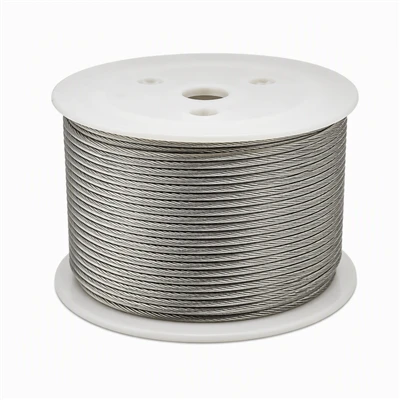
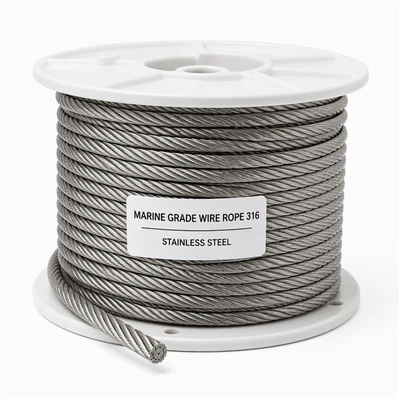
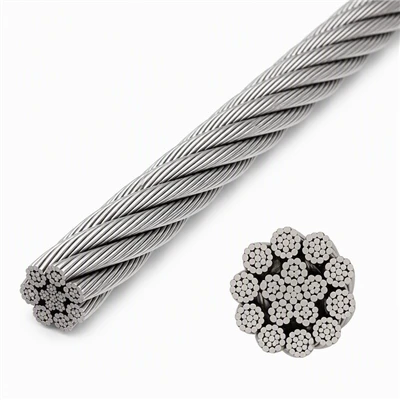
Rigging and lifting primarily include tools such as slings, hooks, chains, and wire ropes. Their core function is to ensure the stability of heavy objects during lifting, movement, and securing. In international trade, cargo types and transportation environments vary significantly across countries and regions. Therefore, the selection of rigging and lifting equipment must carefully consider factors such as load capacity, corrosion resistance, and fatigue resistance. For example, sea freight typically requires salt spray-resistant rigging, while heavy machinery transport requires high-strength alloy steel chains or wire ropes.
In recent years, with the incorporation of intelligent technologies, the rigging and lifting industry has continued to evolve. The application of technologies such as smart sensors and wireless monitoring systems has made lifting processes more precise and safer. Foreign trade companies are increasingly adopting rigging equipment with real-time monitoring capabilities to reduce transportation risks and improve operational efficiency. Furthermore, increasingly stringent International Organization for Standardization (ISO) safety standards for rigging and lifting equipment are driving suppliers to continuously improve product quality to meet compliance requirements in the global market.
For the foreign trade industry, choosing a reliable rigging and lifting partner is crucial. High-quality rigging not only ensures cargo safety but also optimizes logistics processes, reducing delays and losses caused by equipment failure. In the future, with the continuous emergence of new materials and technologies, rigging and lifting will play a more important role in global trade, helping the foreign trade industry achieve more efficient and safer cargo transportation.