SOLITE TECHNICAL WHITE PAPER SERIES
Sacrificial Shields: A Comparative Analysis of Zinc-Aluminum Alloy vs. Traditional Galvanization
Engineering Division, SOLITE (OMLA International)
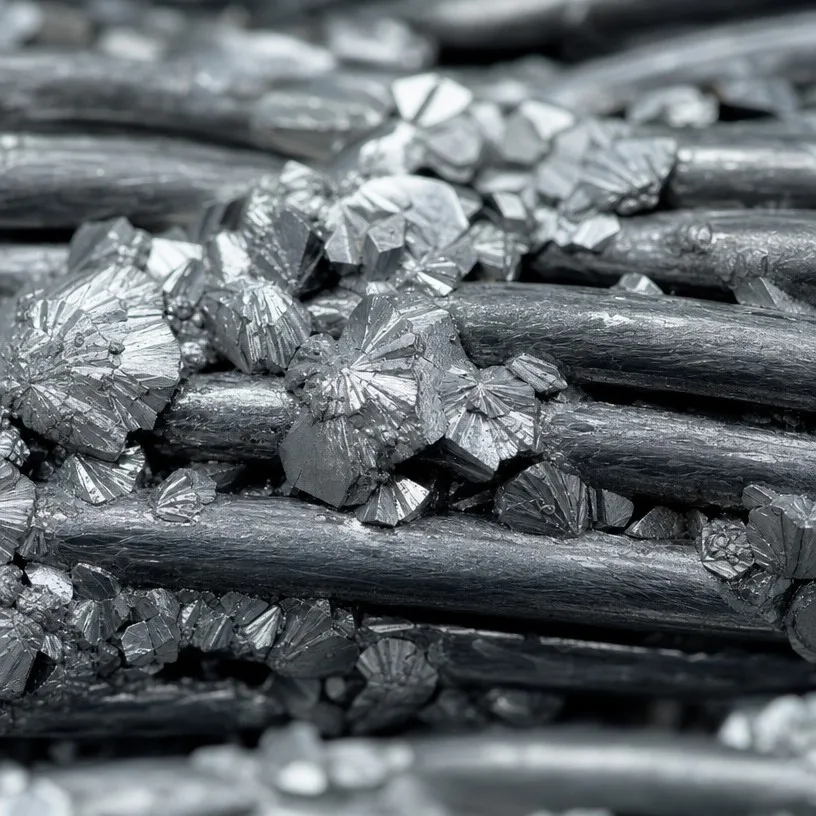
Empirical Visual Representation of Technical Analysis.
Corrosion is the terminal disease of steel wire rope, especially in maritime and coastal environments. For decades, Hot-Dipped Galvanization (HDG) was the only cure. However, the emergence of Zinc-Aluminum (Zn-Al) alloy coatings, such as Galfan, has introduced a new paradigm in electrochemical protection.
The Chemistry of Protection:
Traditional HDG relies on a sacrificial layer of pure Zinc. Once this layer is consumed by oxidation, the steel core is exposed. Zn-Al alloys (typically 95% Zn and 5% Al) create a more sophisticated barrier. The addition of Aluminum creates a 'passive film' of aluminum oxide, which significantly slows down the corrosion rate.
Salt Spray Evidence:
In standard laboratory salt spray tests (ASTM B117), Zn-Al coated wires consistently outlast HDG wires by a factor of 2 to 3. Furthermore, the alloy coating is more ductile, meaning it resists the micro-flaking that occurs during the high-stress bending cycles of a rope over a drum.
The SOLITE Verdict:
For offshore mooring and port cranes, the transition to Zn-Al alloy coatings represents a strategic asset protection move. While the material premium is approximately 15%, the service life extension of 200% makes it the most cost-effective anti-corrosion solution in modern metallurgy. We provide documented salt-spray dossiers for every marine-grade shipment.
Strategic Engineering Support
For large-scale infrastructure projects requiring bespoke material science or FEA stress-modeling, please contact our specialized technical desk. Full technical dossiers and material compatibility studies are available upon request.