SOLITE TECHNICAL WHITE PAPER SERIES
The Physics of Zero-Rotation: Decoding Torque-Equilibrium in Multi-Layer Wire Ropes
Engineering Division, SOLITE (OMLA International)
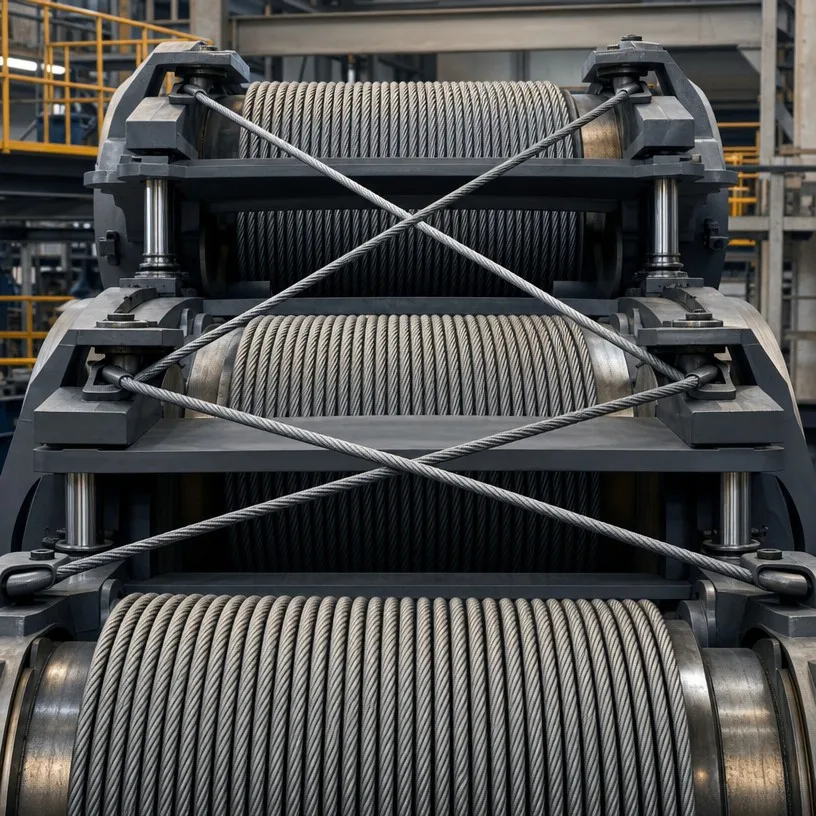
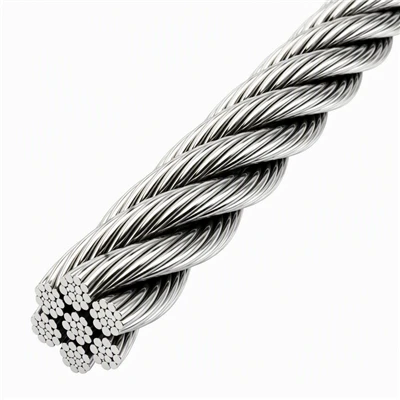
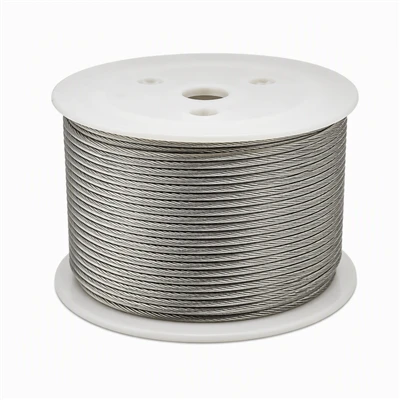
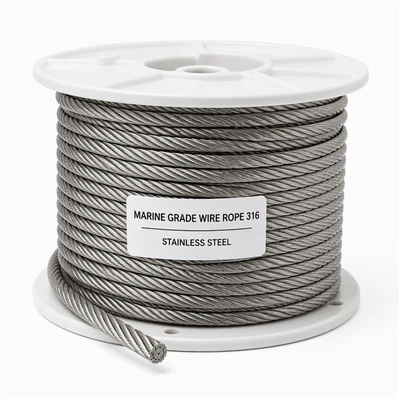
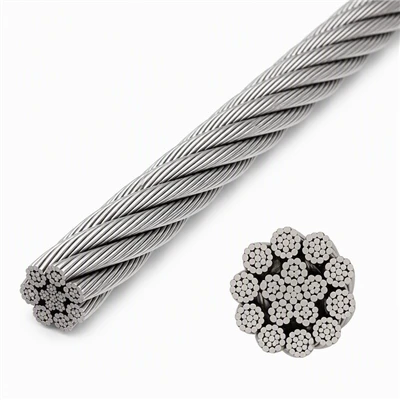
Empirical Visual Representation of Technical Analysis.
In deep-shaft lifting and tower crane operations, 'Rope Spin' is a catastrophic risk. When a standard rope is put under tension, its helical structure naturally tries to untwist, creating torque. This torque can lead to uncontrolled load spinning or 'bird-caging.' The solution lies in the complex engineering of Rotation-Resistant (Non-Rotating) wire ropes.
Torque-Balanced Design:
A rotation-resistant rope, such as our 35Wx7 series, utilizes a multi-layer design where the inner layers are twisted in the opposite direction to the outer layers. Under load, the torque generated by the outer strands is physically cancelled out by the counter-torque of the inner strands. This state of 'Torque-Equilibrium' is what allows for vertical stability at depths exceeding 500 meters.
Crushing Resistance on the Drum:
Multi-layer winding on a drum introduces intense 'cross-over' pressures. A standard rope will deform under these loads. SOLITE's non-rotating ropes feature high-density compacted strands that provide a solid metallic cross-section, resisting the radial crushing forces that lead to structural collapse.
Operational Safety:
For high-rise construction, the choice of a torque-balanced rope is a primary safety protocol. We assist engineers in calculating the 'Residual Torque' to ensure that even at 100% capacity, the load remains stationary. Stability is not a feature-it is a calculated certainty.
Strategic Engineering Support
For large-scale infrastructure projects requiring bespoke material science or FEA stress-modeling, please contact our specialized technical desk. Full technical dossiers and material compatibility studies are available upon request.