SOLITE TECHNICAL WHITE PAPER SERIES
Termination Integrity: Quantifying the Efficiency Factors of Industrial Wire Rope Assemblies
Engineering Division, SOLITE (OMLA International)
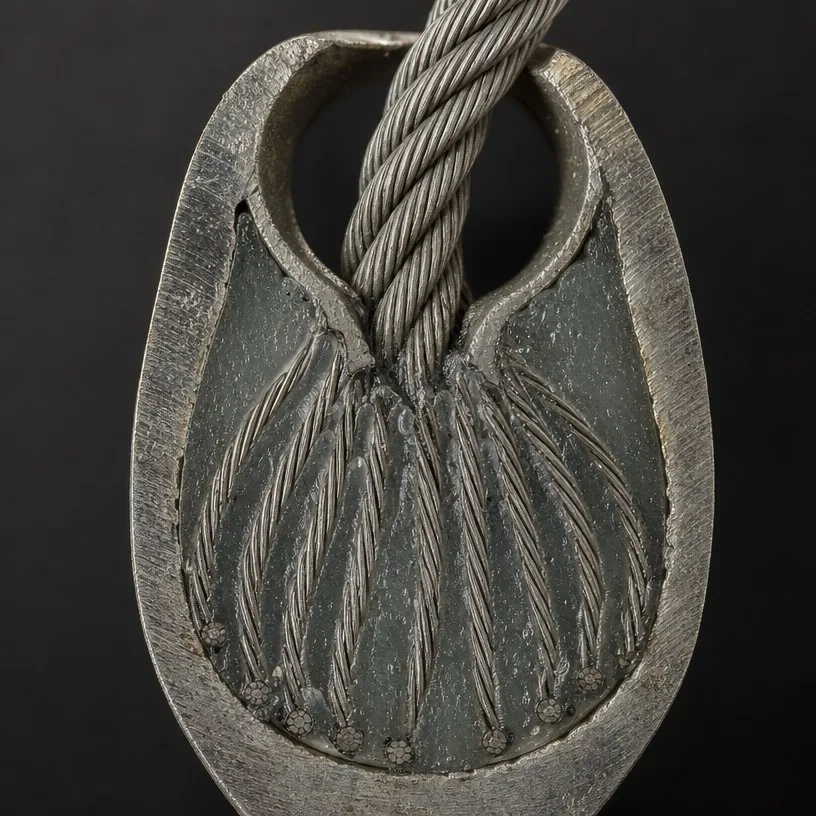
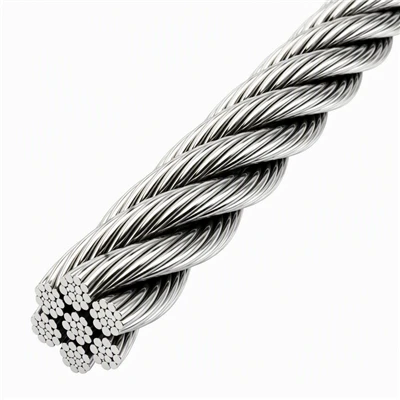
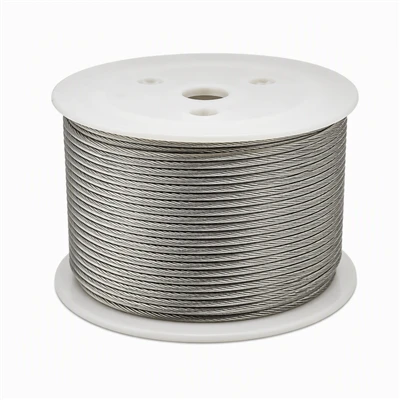
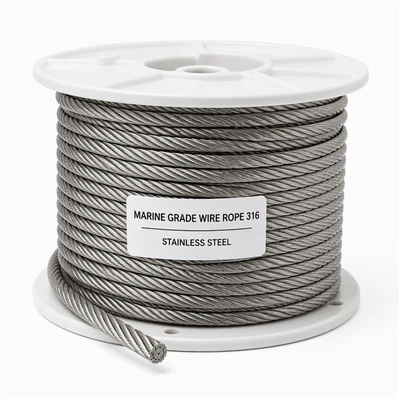
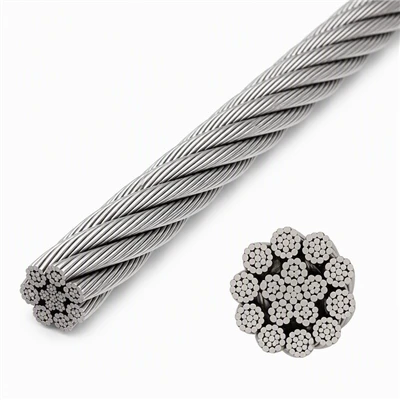
Empirical Visual Representation of Technical Analysis.
A wire rope is only as strong as its weakest link, and that link is almost always the termination point. Whether it's a swaged sleeve, a spelter socket, or a wedge socket, the transition from flexible strand to rigid fitting involves a critical reduction in tensile efficiency.
Efficiency Loss Ratios:
In the rigging industry, we utilize 'Efficiency Factors' to calculate safe working loads. For instance, a high-pressure swaged terminal typically offers 95-100% efficiency. However, a wedge socket-while convenient for field adjustments-only provides approximately 80% efficiency. Ignoring these折减系数 can lead to structural failure at loads well below the rope's nominal breaking force.
Forensics of the Spelter Socket:
For heavy-duty bridge cables and stadium roofs, the Spelter Socket (filled with resin or molten zinc) remains the gold standard. This method splay the individual wires inside the socket bowl, creating a mechanical and chemical bond that surpasses the rope's own breaking strength. SOLITE utilizes high-strength synthetic resins that offer superior fatigue resistance compared to traditional lead-based pours.
Quality Verification:
Every assembly produced at SOLITE undergoes a mandatory 'Proof Load Test' at 200% of its rated capacity. We don't just guess the efficiency; we prove it. For critical rigging projects, documented termination integrity is the only acceptable baseline for engineering safety.
Strategic Engineering Support
For large-scale infrastructure projects requiring bespoke material science or FEA stress-modeling, please contact our specialized technical desk. Full technical dossiers and material compatibility studies are available upon request.