SOLITE TECHNICAL WHITE PAPER SERIES
Thermal Extremes: The Behavior of High-Carbon Steel in Cryogenic and Elevated Environments
Engineering Division, SOLITE (OMLA International)
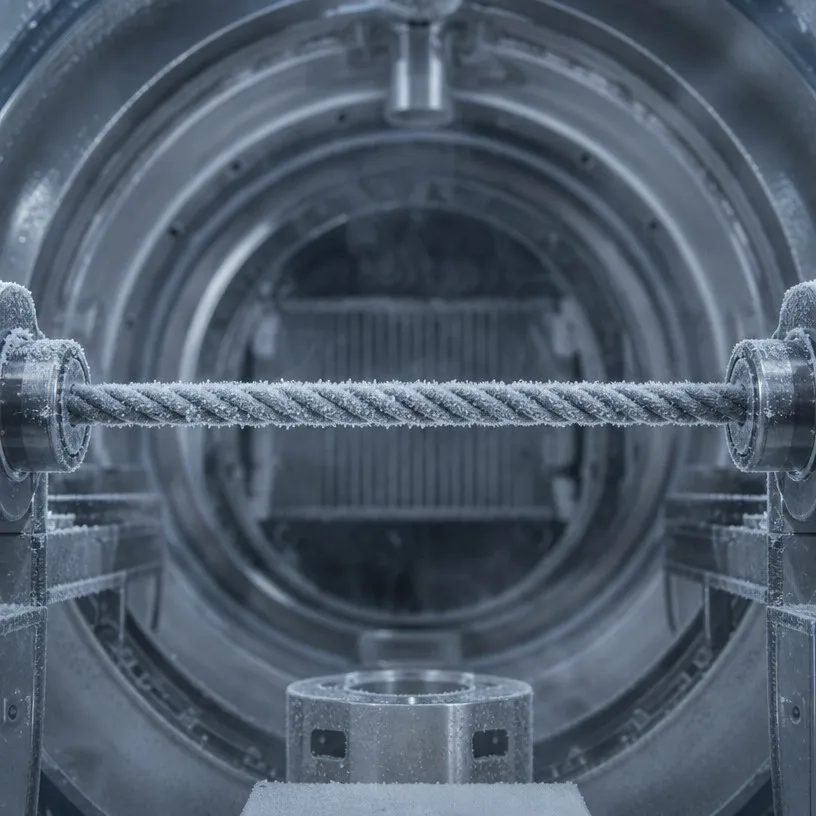
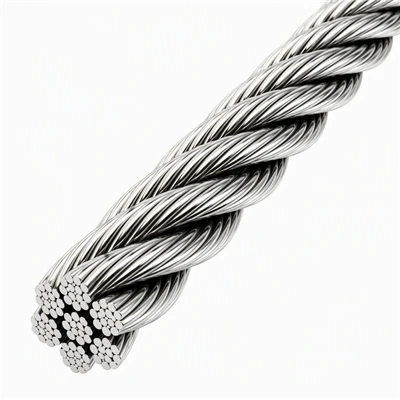
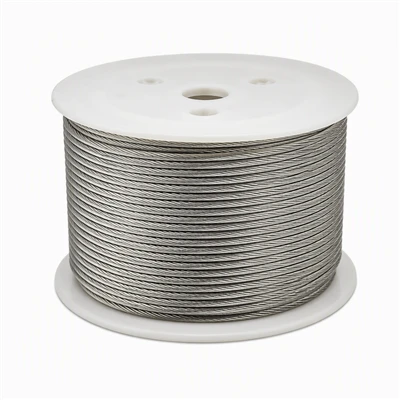
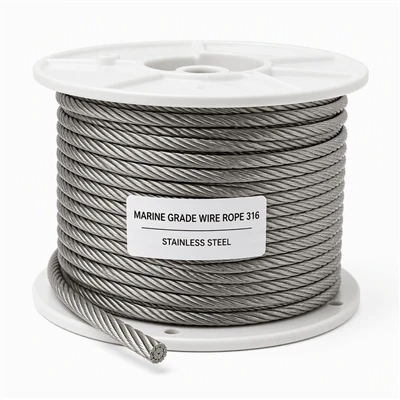
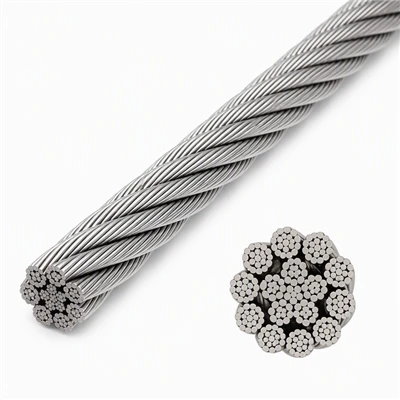
Empirical Visual Representation of Technical Analysis.
High-carbon steel wire ropes are sensitive to thermal fluctuations that alter their crystalline structure and tensile behavior. From the liquid-nitrogen temperatures of cryogenic transport to the intense heat of foundry cranes, understanding 'Thermal Integrity' is vital for industrial survival.
The Cryogenic Brittleness (DBTT):
At temperatures below -30°C, carbon steel enters the 'Ductile-to-Brittle Transition' zone. In these environments, a rope might maintain its static breaking force but lose its impact toughness, leading to 'shatter failure' under sudden shock loads. For Arctic operations, SOLITE provides specialized low-temperature alloys with increased Manganese and Nickel content to preserve ductility.
Elevated Temperature Degradation:
On the opposite end of the spectrum, temperatures above 200°C initiate 'Annealing,' which permanently softens the steel and reduces its tensile strength. Furthermore, standard grease-based lubricants will liquefy and leak out of the core at high temperatures.
Technical Countermeasures:
For heat-intensive applications, we utilize Independent Wire Rope Cores (IWRC) to prevent core collapse and employ high-temperature solid-film lubricants (such as Molybdenum Disulfide) that maintain their lubricity up to 400°C. Engineering for thermal extremes requires a shift from standard metallurgy to bespoke alloy science.
Strategic Engineering Support
For large-scale infrastructure projects requiring bespoke material science or FEA stress-modeling, please contact our specialized technical desk. Full technical dossiers and material compatibility studies are available upon request.