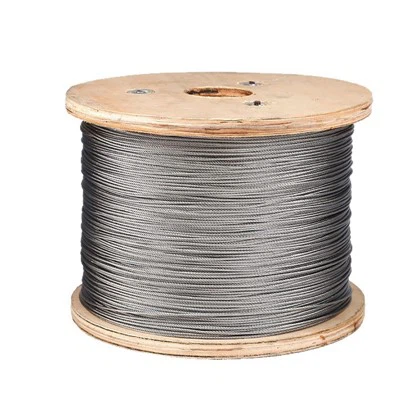
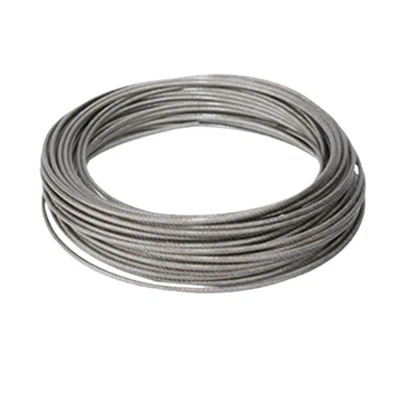
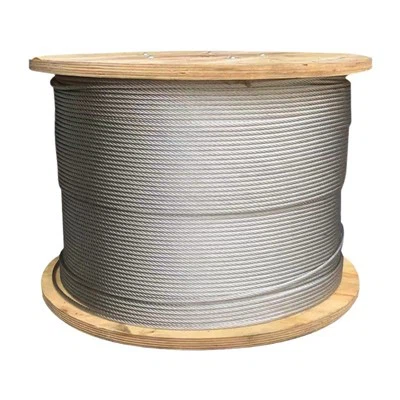
Wire rope is a critical component in lifting, pulling, and securing operations. Its proper use and maintenance directly impact operational safety and efficiency. Mastering sound operating techniques can significantly extend the life of the wire rope and reduce the risk of accidents.
I. Selection and Inspection
Select a suitable wire rope type based on the load weight and operating environment (such as high temperature or corrosive conditions). Prefer anti-rotation, high-strength construction. Perform a thorough inspection before use: inspect the surface for broken wires, wear (single strands with more than 5% broken wires must be replaced), rust, or deformation; measure the diameter for wear exceeding 10% of its original size; and check that the rope ends are securely fastened to avoid potential loosening.
II. Operating Techniques
Threading and Winding Guidelines: During lifting, ensure the wire rope is correctly threaded onto the pulley or drum to avoid cross-compression and localized stress concentration. When winding multiple layers, maintain even layers to prevent skipping.
Uniform Load Distribution: When multiple wire ropes are used in conjunction, their lengths must be adjusted to ensure even load distribution. Overloading a single wire rope can easily lead to breakage.
Speed Control: Maintain a constant speed during lifting and lowering. Sudden stops or impact loads can significantly reduce the fatigue strength of the wire rope.
III. Maintenance and Storage
Regularly lubricate the wire rope (especially in humid environments) using a special grease to reduce internal friction. When not in use, hang and store the rope in a dry, well-ventilated area to avoid compression and contact with acids and bases. If any severe damage, such as exposed core or uneven rope diameter, is observed, the rope must be removed from service immediately.
Through standardized operation and scientific maintenance, the safety and economic efficiency of wire ropes are fully guaranteed, providing reliable support for industrial operations.