How to Spot Internal Corrosion in Your Wire Rope Before it Leads to a Catastrophic Failure
SOLITE TECHNICAL KNOWLEDGE SERIES | 2026 EDITION
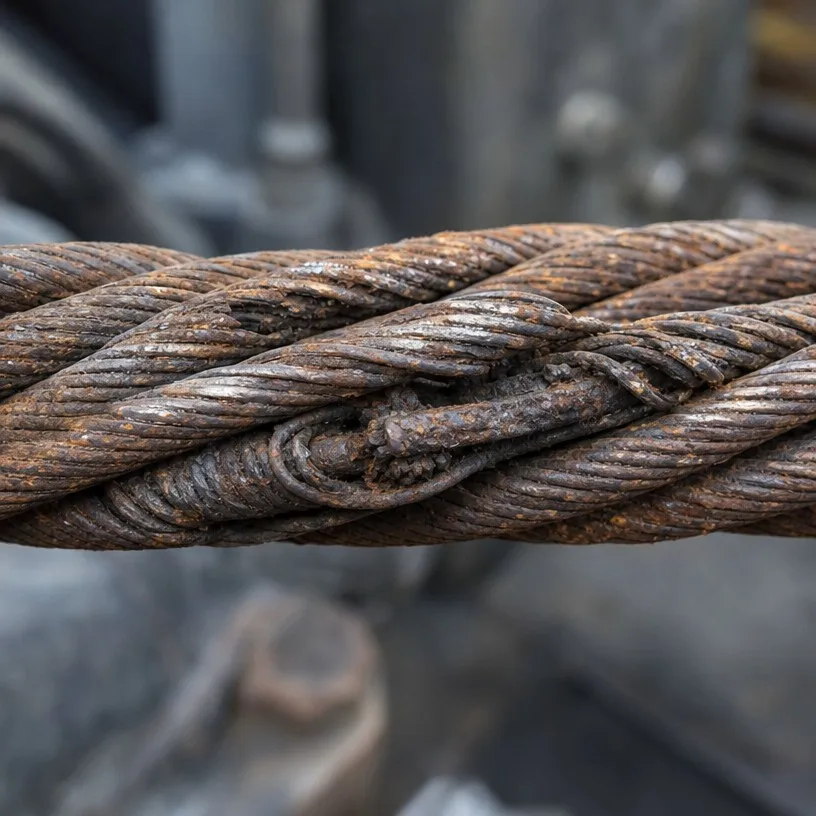
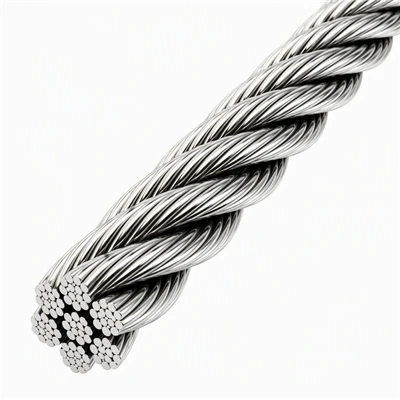
Visual Guide: Real-world engineering context for 3. Wire Rope Inspection & Safety
The most dangerous threat to a lifting operation isn't what you can see on the surface-it's the "Silent Killer" lurking inside the core. Internal corrosion is responsible for over 60% of unexpected wire rope failures worldwide. As a site manager, learning how to detect these hidden signs is the ultimate skill in asset protection and life safety.
The 'Rag and Caliper' Diagnostic:
You don't need a laboratory to perform a high-quality safety check.
1. The Diameter Test: Use a digital caliper to measure the rope across its widest points. If your 22mm rope now measures 20.5mm (a reduction of more than 7%), it is a red alert. This "shrinkage" is a sign that the internal core has collapsed or that the internal wires have thinned due to rust.
2. The 'Rouge' Alert: Look for a fine, reddish-brown powder emanating from between the strands. This is "metallic rouge." It is the forensic proof that your internal lubricant has failed, and the wires are grinding each other into dust.
Why Surface Grease is Deceptive:
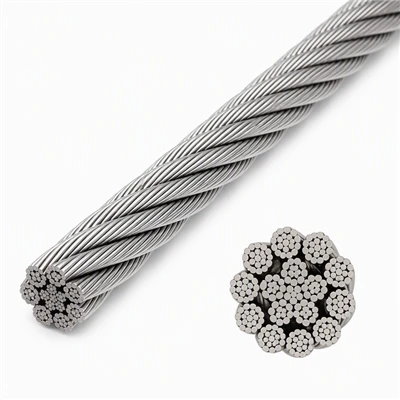
Many buyers believe that if the outside of the rope is oily, it is safe. This is a myth. Rust often starts at the very center of the rope, where moisture gets trapped. That's why SOLITE utilizes "Internal Core Pressure Injection" during manufacturing-ensuring the "heart" of the rope is saturated with high-grade grease.
Proactive Maintenance:
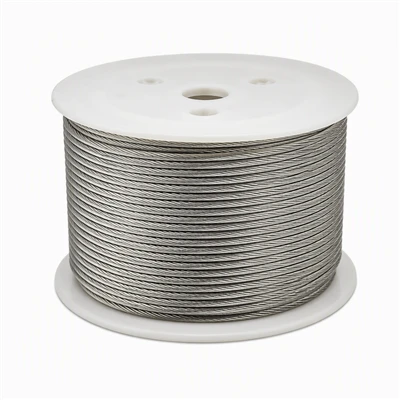
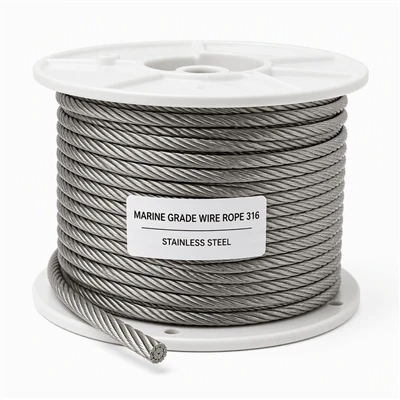
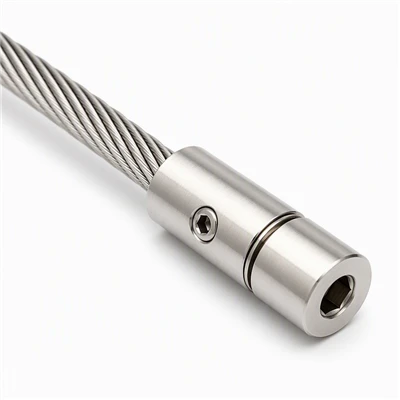
Don't wait for a broken wire to appear. If your equipment operates in high-humidity or coastal areas, we highly recommend switching to our AISI 316 Stainless Steel Marine Cable, which offers the world's best defense against salt-air "rotting." Remember: replacing a rope is a minor expense; dealing with a failure is not. Stay vigilant, stay measured.