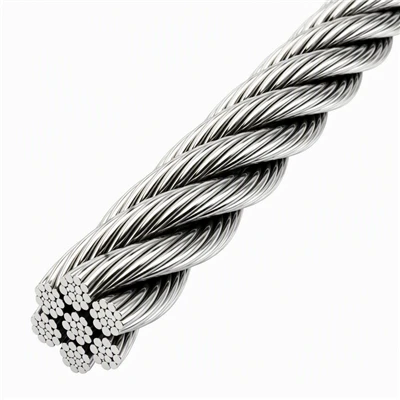
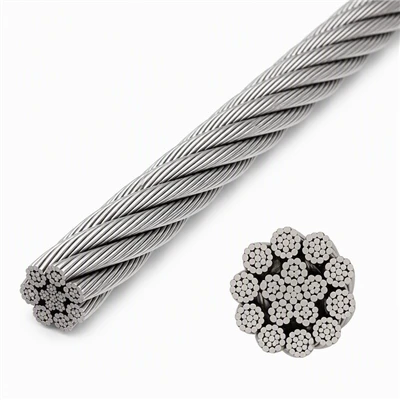
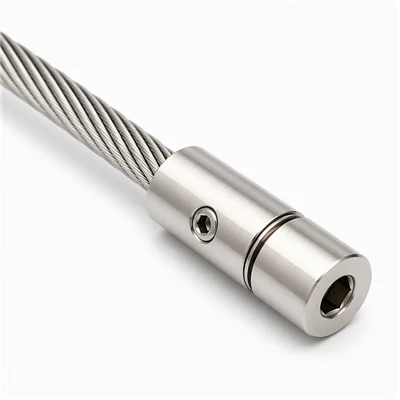
In a typical anti‑rotation construction (e.g., 35W×7 or 18×19 classes), the inner strands have a lay direction opposite to that of the outer strands. When tension is applied, the torque generated by the outer layer is largely counterbalanced by the inner layer. The net torque is significantly reduced – but rarely eliminated entirely.
The question is: why does some twisting remain, and what makes it worse?
Main causes of twisting
1. Manufacturing tolerances
Slight variations in strand diameter, lay length, or stranding tension create inherent torque imbalances. Even premium ropes have a small residual twist.
2. Load dependency
Torque cancellation is optimised for a specific load range. At very light loads or overloads, the balance shifts, and the rope may rotate temporarily.
3. Fleet angle and misalignment
Excessive fleet angle or worn sheave grooves apply lateral forces that induce torsion, overriding the rope's anti‑rotation design.
4. Multi‑layer winding pressure
Radial compression from upper layers changes internal strand clearances, altering torque balance over time. This is a common hidden cause in deep‑lift hoists.
5. Restricted terminations
If swivels are seized or sockets are misaligned, internal torsional stress cannot dissipate, leading to progressive twist accumulation.
6. Wear and structural ageing
As outer strands wear and clearances grow, the original torque balance degrades. Increased twisting often signals that the rope is nearing replacement.
How to detect and avoid troublesome twisting
- Torque testing: Before installation, measure the residual torque of the rope under a representative load and compare it with the provided data.
- Proper fleet angle: Keep the fleet angle within the recommended range (typically 1.5° – 2.5°) and inspect sheave alignment regularly.
- Drum grooving: Use properly machined, matched grooves to minimise lateral distortion.
- Periodic inspection: Watch for signs of "cabling" (helical marks) near terminations or unusual rotation of hooks/blocks – these indicate twist build‑up.
- Replace in complete sets: Never mix old and new ropes, or ropes from different sources, on the same system.
Expert help when you need it
If twisting persists despite good practices, it may indicate system‑level issues. Our team offers torque measurement, alignment checks, and customised rope selection based on your actual duty cycle and drum geometry. We can also analyse worn rope cross‑sections to trace the root cause.
Please feel free to contact us to discuss the technical aspects of our anti-twist steel wire ropes-we are always ready to assist you in ensuring the safe and efficient operation of your equipment.